
Saxifraga latepetiolata
Saxifraga latepetiolata
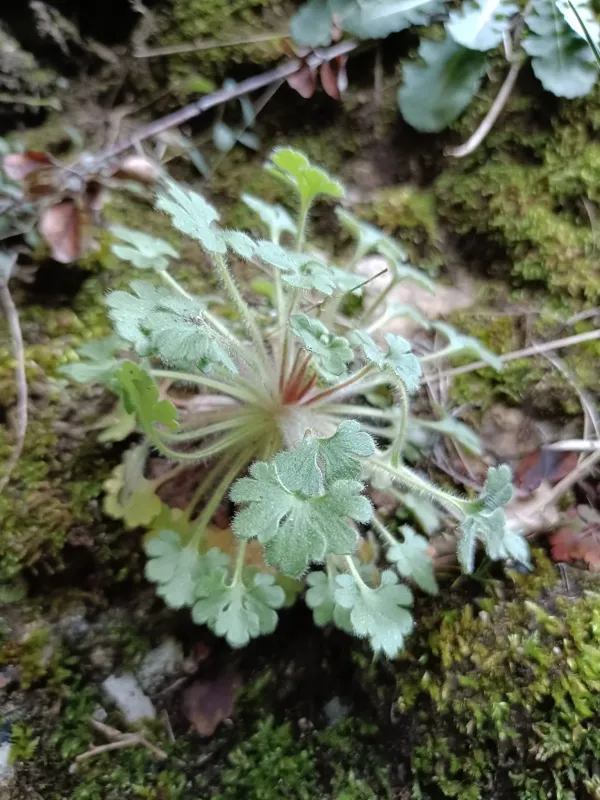
Description
Growing requirements
Saxifraga latepetiolata is a notable species within the Saxifragaceae family. Native to the mountain ranges of Spain, this plant is well-adapted to rocky, calcareous habitats where soil is limited.
The species is primarily recognized for its specific physiological adaptation to high-altitude environments, requiring well-aerated substrates that mimic natural scree slopes.
Regarding climatic needs, the plant thrives in cooler conditions with high light intensity but suffers under intense direct heat. Partial shade during the hottest hours is highly recommended.
Soil composition should focus on excellent drainage. Using a mix of coarse grit, sand, and a small amount of loam provides the stability and mineral content required for healthy growth.
Watering requirements are specific: the substrate should be kept consistently moist but never waterlogged. Efficient drainage is the primary defense against physiological stress in this species.
Main diseases and pests
The primary threat to the health of Saxifraga latepetiolata is fungal rot, specifically crown rot caused by standing water or excessive humidity around the leaf rosette.
Pests such as aphids and spider mites can occasionally affect the plant during stressful hot spells, leading to yellowing or stunted development of the foliage.
Slugs and snails pose a significant risk, particularly in the spring, as they are attracted to the succulent, fresh growth of the developing leaf rosettes.
Root-knot nematodes can also be a hidden threat in improperly sanitized soil, potentially weakening the plant before visual symptoms become apparent.
Integrated pest management, including regular inspection and proper cultural practices like top-dressing with grit, is essential for maintaining plant vigor.