
Saxifraga laciniata
Saxifraga laciniata
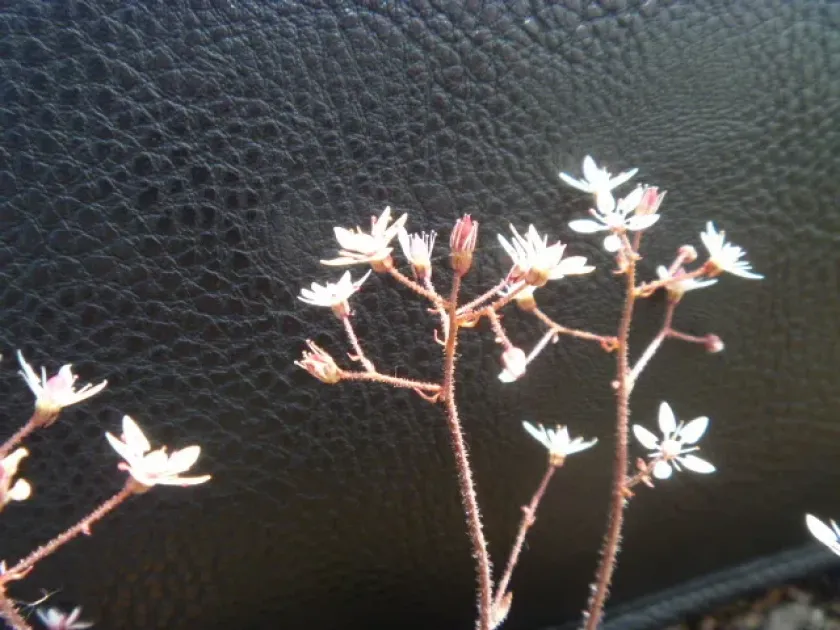
Description
Sowing dates
Sowing of Saxifraga laciniata seeds is best performed in late autumn or early winter in open ground or containers to allow for natural stratification. The optimal time for sowing is October or November when soil temperatures drop.
When using the seedling method, sow seeds in February or March into a loose, well-draining substrate. Seeds should be sown on the surface and not covered, as they require light to germinate effectively.
Successful germination requires cold stratification at temperatures between 0 and 5 degrees Celsius for 4–6 weeks. After this period, move the containers to a bright and cool place to trigger development.
Seedlings should be pricked out when the first two true leaves appear and transplanted into individual pots. Planting out into permanent locations should occur in late May after the danger of frost has passed.
It is essential to maintain consistent moisture during the germination process, as the small seeds are highly sensitive to drying out, which can halt their growth entirely.
Growing requirements
Saxifraga laciniata belongs to the Saxifragaceae family. This perennial herbaceous plant is naturally adapted to specific rocky substrates and steep mountain slopes, defining its cultivation needs.
The plant prefers well-drained, calcareous, or neutral soils. Stagnant water at the roots is detrimental, so incorporating a high-quality drainage layer made of gravel or crushed stone is mandatory for survival.
This culture is light-demanding but requires partial shading during peak sunlight hours in regions with hot climates. In its native habitat, the plant thrives in poor soils with minimal nutrient content.
Optimal soil pH levels should range between 6.5 and 7.5. Excessive use of organic fertilizers often leads to leggy growth and reduced resistance to environmental stress factors.
Maintenance is minimal, requiring only occasional weeding and the removal of dead leaf rosettes. Mulching with fine grit helps stabilize the temperature and moisture around the root neck.
Main diseases and pests
The primary threat to Saxifraga laciniata is root rot, caused by overwatering or poor soil aeration. Preventive measures include avoiding overhead watering and ensuring excellent water runoff throughout the planting area.
Slugs and snails pose a significant risk, as they frequently damage the succulent leaf rosettes. Using physical barriers or iron phosphate-based bait helps manage these populations effectively.
Spider mites can become an issue when the plant is grown in overly dry and hot conditions. Regular light misting and maintaining a stable water balance help reduce the likelihood of infestation.
Densely packed plantings may lead to fungal issues such as powdery mildew. Maintaining proper spacing between individual plants is vital for ensuring adequate air circulation.
If symptoms of spot disease or mold appear, immediately remove affected plant tissue and treat the area with a systemic copper or sulfur-based fungicide to stop the spread.