
Saxifraga juniperifolia
Saxifraga juniperifolia
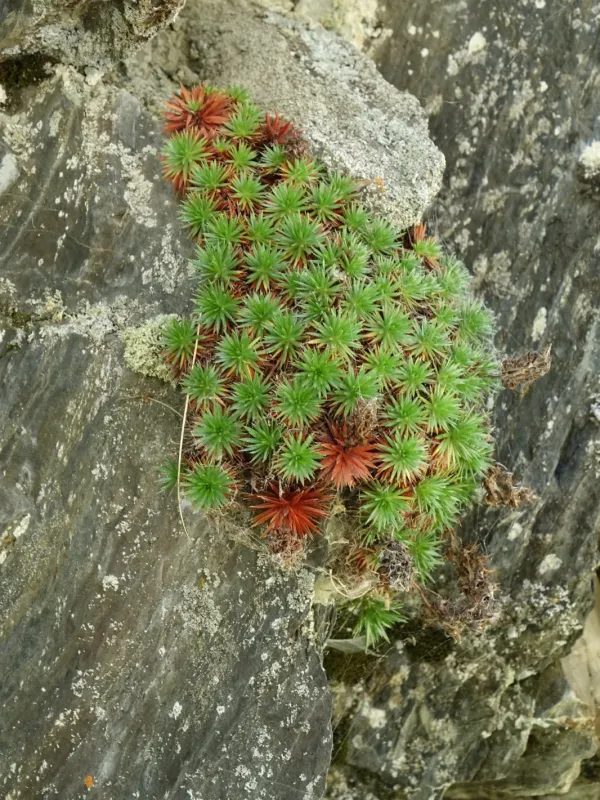
Description
Sowing dates
Propagating Saxifraga juniperifolia is most effectively achieved through vegetative methods, specifically by dividing mature clumps or rooting small rosettes. The ideal time for these operations is early spring or late summer, ensuring the plants have enough time to establish before temperature extremes occur.
For seed propagation, cold stratification is highly recommended to improve germination rates. Seeds should be sown in early spring in well-draining, sandy compost, surface-sown and kept in a cool, bright location until they germinate.
Young seedlings require careful handling during the transplanting process. It is crucial to use a gritty, porous substrate that mimics the plant's natural habitat, preventing the stems and leaves from becoming waterlogged.
When planting in the garden, maintain a spacing of approximately 15 to 20 centimeters between individual plants. This allows for proper airflow around the rosettes, which is vital for the long-term health of the clump.
After planting, provide a light watering and ensure the base of the plant is surrounded by small stones or grit. This technique keeps the foliage off the damp soil and prevents potential rotting issues during the establishment phase.
Growing requirements
Saxifraga juniperifolia is a member of the Saxifragaceae family, naturally found in high-altitude rocky environments. Its botanical structure is optimized for survival in cool, well-drained, and nutrient-poor soils characteristic of alpine regions.
The plant thrives in sites with full sun to partial shade. However, in regions with very hot summers, it is essential to protect the plant from the intense mid-afternoon sun to prevent foliage burn and heat stress.
Soil requirements are strict: the substrate must be highly permeable. A mixture of gravel, grit, and loam is ideal to ensure that water drains away quickly from the root system, preventing the accumulation of excess moisture.
Hardiness is one of the key strengths of this species. It is well-adapted to cold climates and does not require winter protection, provided that the soil drainage is sufficient to prevent ice from forming around the crown of the plant.
Fertilization should be kept to a minimum. Over-feeding with nitrogen-rich fertilizers leads to rapid, soft growth that is more susceptible to disease and reduces the plant's natural, compact, cushion-like appearance.
Main diseases and pests
Root rot is the most common ailment affecting Saxifraga juniperifolia. It is almost always a result of poor drainage or water being allowed to sit within the center of the rosettes, which facilitates the rapid spread of decay.
Fungal leaf spots can occur during periods of high humidity and poor ventilation. Keeping the plant's immediate environment dry and ensuring it is not crowded by taller species is the best preventive strategy against these fungi.
In terms of pests, spider mites can be problematic in dry, hot conditions, causing the foliage to lose its healthy green color. Regular inspection is necessary, and if mites are found, a gentle wash or appropriate horticultural soap can be used.
Slugs and snails may browse on the succulent leaves, particularly during damp spring weather. Placing a layer of sharp grit around the rosettes acts as a physical barrier that discourages these pests from reaching the foliage.
Overall, maintaining plant health is about balance. By providing adequate drainage and ensuring the foliage stays relatively dry, gardeners can avoid most of the issues that typically threaten this robust alpine species.