
Saxifraga jacquemontiana
Saxifraga jacquemontiana
Description
Growing requirements
Saxifraga jacquemontiana is a perennial herbaceous plant belonging to the Saxifragaceae family. This species is native to the high-altitude mountain ranges of the Himalayas, where it thrives in rocky crevices and alpine meadows at extreme elevations of several thousand meters.
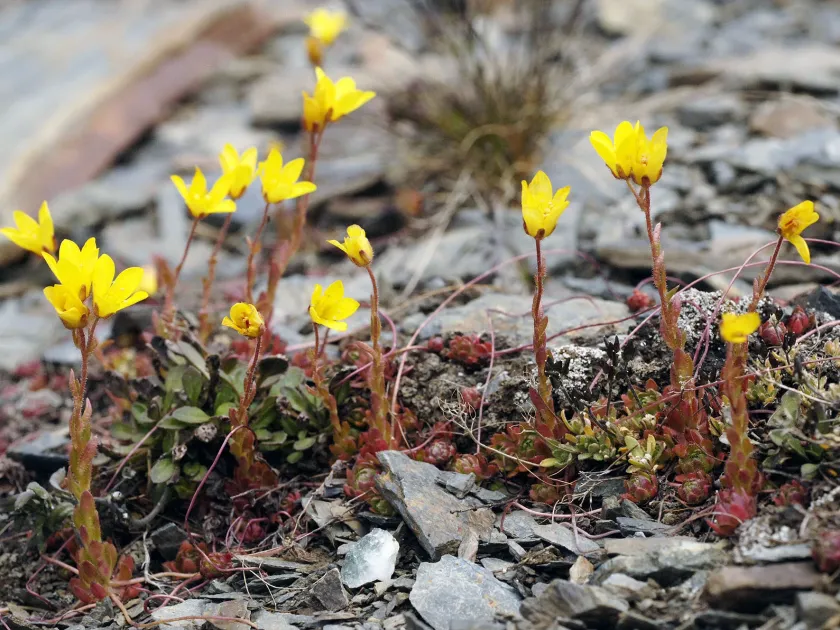
Botanically, the plant forms dense, cushion-like mats consisting of small, tightly packed leaf rosettes. This growth habit is an evolutionary adaptation that protects the plant from freezing temperatures, strong winds, and desiccation in the harsh Himalayan environment.
Cultivation of this species requires a substrate that mimics its natural habitat. A highly porous, mineral-based soil mix with excellent drainage is essential. Using standard garden soil is strictly discouraged as it leads to root rot and rapid decline of the plant specimen.
Environmental conditions must be managed carefully, as the species demands cool temperatures and high light intensity. In lowland gardens, providing adequate air circulation is as important as maintaining moderate soil moisture levels to ensure the plant remains vigorous throughout the growing season.
The primary horticultural use of Saxifraga jacquemontiana is in specialized rock gardens, alpine houses, and trough gardens. It is highly valued by enthusiasts who seek to cultivate rare, high-altitude flora that presents a significant challenge even for experienced gardeners.
Main diseases and pests
The most significant threats to Saxifraga jacquemontiana include fungal pathogens such as Pythium and Phytophthora, which thrive in poorly drained substrates. Keeping the crown of the plant dry is a critical maintenance practice to prevent these fungal infections.
Insect pests such as spider mites and aphids may infest the rosettes during periods of heat stress or low humidity. Integrated pest management using insecticidal soaps and monitoring for early signs of damage is recommended to protect the health of these sensitive plants.