
Saxifraga irrigua
Saxifraga irrigua
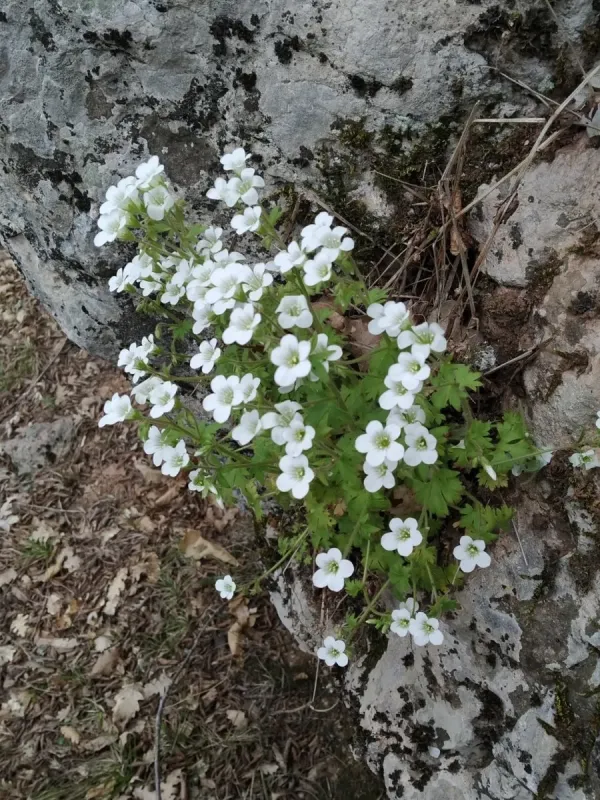
Description
Sowing dates
Saxifraga irrigua is a perennial herbaceous plant belonging to the Saxifragaceae family. This species is highly valued in rock gardening for its ability to form compact, attractive rosettes that thrive in specialized microclimates.
Propagation is primarily achieved through seed sowing in a controlled environment. Seeds are extremely fine and should be surface-sown on a moist, sterile, and well-draining substrate to ensure proper germination conditions.
A cold stratification period of several weeks is essential for the seeds. Placing the trays in a cool area or a refrigerator helps break seed dormancy and ensures a more uniform and vigorous germination of seedlings.
Once the seedlings develop their first true leaves, they should be carefully pricked out and transplanted into individual cells or small pots. Handling young plants requires gentleness to prevent damage to the delicate root system.
Transplanting into the permanent outdoor location occurs in late spring. It is crucial to choose a spot that mimics the natural alpine environment to ensure the plant establishes successfully before the onset of summer heat.
Growing requirements
Saxifraga irrigua requires a well-draining, gritty soil mix to thrive. The plant is highly sensitive to waterlogged conditions, which can lead to root rot and other physiological disorders, necessitating excellent drainage.
The plant performs best in partially shaded positions where it is protected from intense midday sunlight. Exposure to too much heat or direct sunlight can cause leaf scorching and damage to the plant's delicate rosettes.
Watering should be consistent but careful. The soil should remain slightly moist, but never soggy. Applying water directly to the soil surface while keeping the foliage dry is a critical technique to prevent fungal infections.
Occasional fertilization with a dilute, balanced liquid fertilizer during the growing season can support healthy development. Over-fertilization should be strictly avoided to prevent leggy, weak growth that reduces the plant's natural aesthetic.
Regular maintenance, such as clearing debris from around the base of the plant, is important for air circulation. Proper airflow helps manage humidity levels around the rosettes, which is vital for the plant's overall health.
Main diseases and pests
The most significant threat to Saxifraga irrigua is root and crown rot, primarily caused by excessive moisture or poor soil drainage. If the soil remains too damp, pathogenic fungi can quickly destroy the plant.
Spider mites are a common pest that thrives in dry conditions. They suck sap from the leaves, causing them to lose their color and eventually wither. Regular inspections and increased humidity can help mitigate their impact.
Aphids may occasionally attack the flower stalks, causing stunted growth and deformity. Prompt action using systemic or contact insecticides, or even natural soap-based sprays, can effectively manage aphid populations.
Gastropod pests, including slugs and snails, are particularly attracted to the tender foliage of saxifrages. Placing crushed eggshells or gravel around the plants acts as a physical barrier against these common garden intruders.
Preventive measures include careful irrigation practices, proper site selection for drainage, and regular hygiene in the rock garden. Removing diseased foliage immediately prevents the spread of pathogens to neighboring plants.