
Saxifraga hybrids
Saxifraga hybrids
Description
Growing requirements
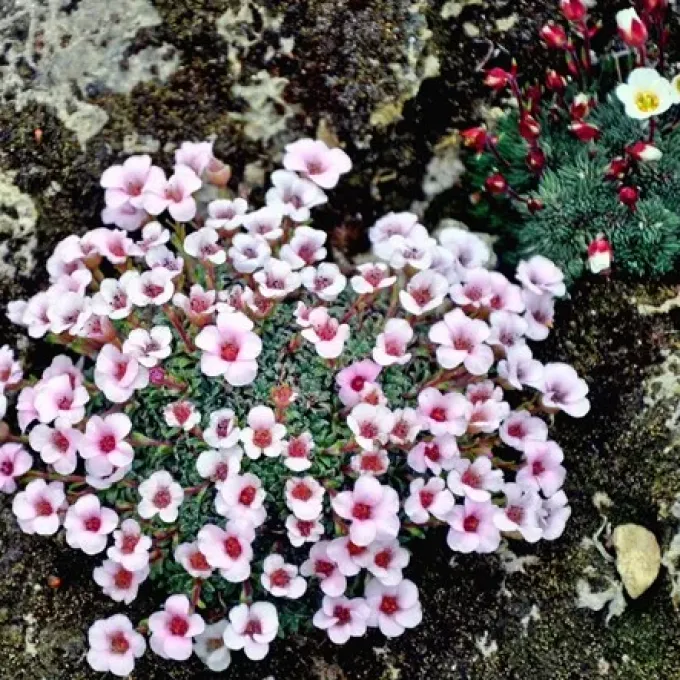
Saxifraga hybrids are members of the Saxifragaceae family, encompassing a wide range of cultivars bred for ornamental purposes. These plants are prized for their compact, cushion-forming habit, making them a staple in alpine gardening and rock landscaping across the globe.
The cultivation requirements for these hybrids emphasize the need for well-draining soil, which mimics their native mountainous environments. In heavy soils, incorporating sand, grit, or pea gravel is essential to prevent root rot, as the crowns of the plants are prone to damage in waterlogged conditions.
Regarding climate, Saxifraga hybrids prefer cool to temperate climates with sufficient light. While they enjoy bright conditions, intense midday sun can scorch the foliage of some cultivars, so positioning them in partial shade or areas with morning sun is usually the most successful approach.
Maintenance involves careful watering, preferably directed at the soil surface rather than the foliage. Providing a consistent moisture level is key, especially during active growth periods, while ensuring the drainage remains unobstructed to protect the root system from stagnant water.
These plants are primarily used for ground cover, bordering rockeries, and filling crevices in dry-stone walls. They provide excellent weed suppression due to their density and contribute to the structural integrity of the landscape by binding soil with their fine, fibrous root systems.
Main diseases and pests
Fungal diseases are the primary threat, particularly when air circulation is poor. Conditions like leaf spot and root rot can devastate a cushion of saxifrage, making it crucial to prune back dense foliage after flowering to improve airflow throughout the plant.
Pests such as aphids and spider mites are frequent invaders, especially during hot, dry spells. Regular inspection is necessary, and if infestations occur, targeted application of horticultural oils or insecticidal soaps can mitigate the damage without harming the plant.
Mollusks, including snails and slugs, are known to graze on the succulent leaves of Saxifraga hybrids. Using barriers like crushed eggshells or specialized traps can help protect young plantings from severe grazing during damp seasons.
Soil-borne pathogens can sometimes affect the root zones, leading to gradual decline. Crop rotation or replenishing the top layer of the growing medium with fresh, sterilized grit can prevent the buildup of such microorganisms in established garden beds.
Proper hygiene, including the removal of dead leaves and debris, is essential for minimizing the breeding grounds of common garden pests and pathogens. Healthy, vigorous plants generally overcome mild infestations if given adequate growing space and nutrition.