
Saxifraga grisebachii
Saxifraga grisebachii
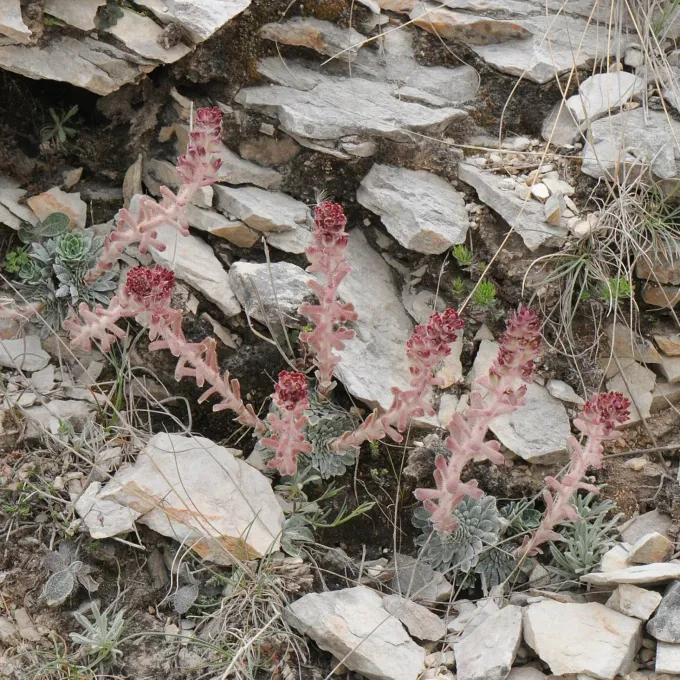
Description
Sowing dates
Propagation of Saxifraga grisebachii is primarily achieved through seeds, which should be sown in late winter. This timing allows the seedlings to establish a strong root system before the summer heat.
Seeds require a period of cold stratification, typically lasting four to six weeks. Placing the seed trays in a refrigerator or a cold frame is a standard agricultural practice for this species.
The sowing substrate should be lean and gritty, consisting of a mix of sand, perlite, and a small amount of peat. Surface sowing is essential as the seeds need light to trigger the germination process.
Once germinated, keep the seedlings in a cool, well-ventilated area with bright light. Avoiding excessive heat is critical during the initial development phase of the small rosettes.
Transplanting into the garden should be done carefully during the cool spring months. Avoid burying the crown of the plant, as it must stay dry to prevent rot.
Growing requirements
Belonging to the Saxifragaceae family, Saxifraga grisebachii is a classic alpine species native to the Balkans. It is highly valued for its striking, architectural rosettes of stiff, silver-tipped leaves.
This plant thrives in full sun but requires protection from the intensity of the midday sun. Ideally, it should be placed on a north or east-facing slope to mimic its natural montane habitat.
Soil requirements are strict: excellent drainage is non-negotiable. It flourishes in rocky, gritty soils with neutral to slightly alkaline pH levels, mimicking the limestone crevices of its native range.
Atmospheric conditions are vital; it prefers cool, fresh mountain air. In low-altitude gardens, keeping the plant in a rock garden where the temperature remains stable is key to its survival.
The plant has low irrigation requirements. Excess water in the foliage can lead to rapid decay, so water must be applied directly to the base of the plant using a narrow-spout can.
Main diseases and pests
Root rot is the most common ailment associated with Saxifraga grisebachii. This is almost exclusively caused by excessive moisture levels in the root zone or poor site drainage.
Pests such as spider mites may infest the plant during hot, dry spells, leading to stunted growth. Maintaining adequate airflow is the best preventative measure against such infestations.
Aphids can also be problematic when the plant begins to produce its characteristic, arched flower stalks. Early intervention with insecticidal soap is recommended.
Fungal pathogens like Botrytis may occur if the rosettes remain damp for extended periods. Pruning away dead foliage is a necessary hygiene measure for this crop.
- Avoid overhead watering to keep foliage dry.
- Use a coarse grit mulch around the neck of the plant.
- Ensure constant airflow in the alpine environment.