
Flagellate saxifrage
Saxifraga flagellaris
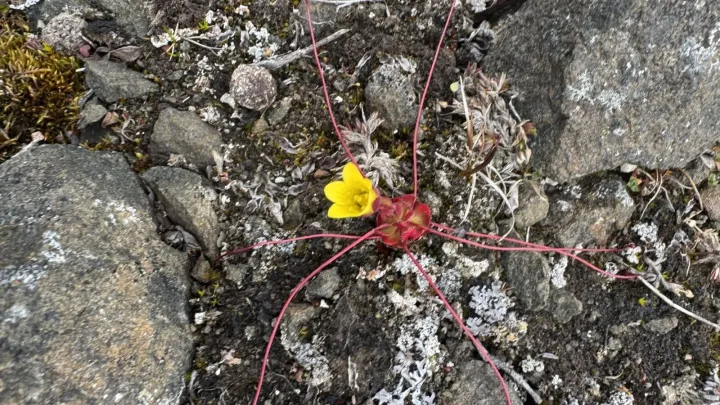
Description
Sowing dates
Saxifraga flagellaris is a fascinating perennial alpine herb that requires specific conditions to initiate seed germination, mimicking its native habitat.
Seeds should be sown in late autumn or early winter to ensure they undergo the necessary cold stratification period required for successful development.
The medium used for sowing must be extremely well-draining, consisting of a mix of sand, grit, and very little organic matter to prevent fungal outbreaks.
Light is a critical factor during the germination phase, so seeds should be pressed into the surface of the soil rather than buried deeply beneath the surface.
Vegetative propagation is more common in cultivation, involving the separation and planting of the small, rooted plantlets that develop at the tips of runners.
Growing requirements
This species belongs to the Saxifragaceae family and is native to harsh arctic and alpine regions, which dictates its preference for cool temperatures.
Cultivation requires a site that provides bright light but avoids the intense, drying heat of direct afternoon sun, which can cause significant stress.
The soil profile must be stony or gritty, ensuring that irrigation water passes through immediately to prevent any stagnation around the root crown.
Watering should be approached with caution, as high humidity and moisture around the foliage can lead to rapid decay of the delicate leaf rosettes.
Good air circulation is vital for this plant, making it an excellent candidate for alpine houses or well-ventilated rock gardens where conditions can be monitored.
Main diseases and pests
Root and crown rot are the most significant threats to flagellate saxifrage, almost always caused by improper drainage or excessive soil moisture.
During humid spells, fungal pathogens can spread quickly through the rosettes, so keeping the base of the plant dry with a grit mulch is essential.
Aphids can occasionally cluster on the runners or young rosettes, extracting sap and weakening the plant, which necessitates regular inspection and cleaning.
Gastropods, particularly slugs and snails, find the succulent texture of the leaves very attractive, especially in the moist environments of a rock garden.
Prevention is the best strategy: maintaining a lean soil, ensuring excellent ventilation, and removing any decaying foliage immediately to maintain plant health.