
Saxifraga felineri
Saxifraga felineri
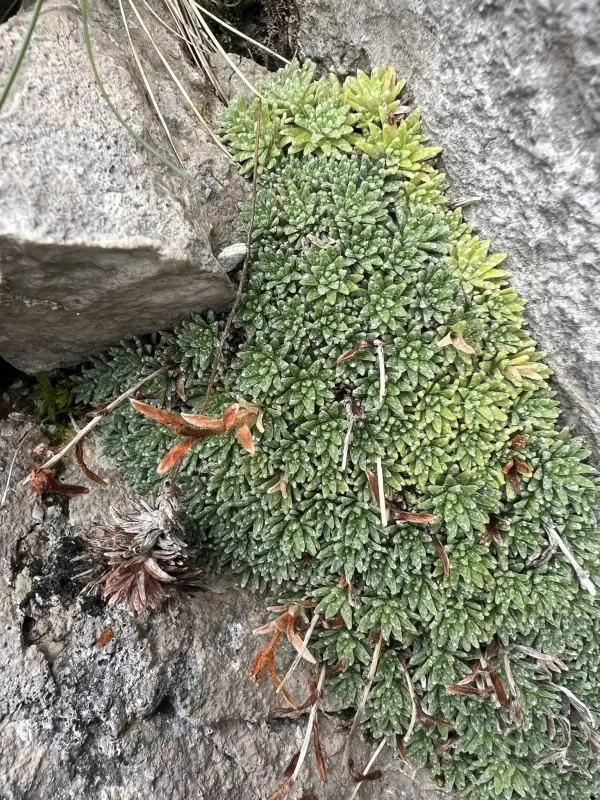
Description
Sowing dates
Propagation of Saxifraga felineri is typically achieved through seed sowing or careful division of established mats during the early spring growth phase.
Seeds require a period of cold stratification to break dormancy, which can be achieved naturally by sowing in autumn or artificially by chilling in a refrigerator.
When sowing, use a well-draining, gritty seed-starting mix to prevent damping off, as the seedlings are susceptible to excessive soil moisture.
Division of mature specimens should be done with care to preserve the root system of each individual rosette, ensuring they establish quickly in their new locations.
Newly divided plants should be protected from direct sunlight for the first few days and kept consistently moist until they show signs of active growth.
Growing requirements
Saxifraga felineri belongs to the Saxifragaceae family and is a mountain-dwelling perennial known for its tight, cushion-forming growth habit.
This species naturally originates from the high mountain ranges, where it thrives in rocky crevices and poor, mineral-rich soils with excellent drainage.
In a garden setting, it requires a position in full sun to partial shade, where the soil is gritty and never remains waterlogged for extended periods.
The climate requirements for this plant are those of an alpine environment, meaning it tolerates cold well but struggles in high humidity combined with stagnant air.
Maintenance is minimal, focusing on providing adequate ventilation and avoiding the use of strong fertilizers that can lead to succulent leaf tissue damage.
Main diseases and pests
The primary threats to this plant are fungal infections caused by poor drainage and excessive humidity around the base of the foliage rosettes.
Root rot is the most common issue, often signaled by the yellowing or browning of the inner leaves, which can spread quickly throughout the entire plant.
Pests such as spider mites may occur during periods of prolonged drought, leading to leaf discoloration and reduced overall plant vigor.
Regular monitoring for slugs and snails is essential, especially in spring, as they can cause significant damage to the succulent leaves within a single night.
- Ensure grit mulch is used around the crown.
- Improve air circulation around the plants.
- Monitor for moisture levels during rainy seasons.
- Clean debris from between the rosettes periodically.