
Saxifraga exarata
Saxifraga exarata
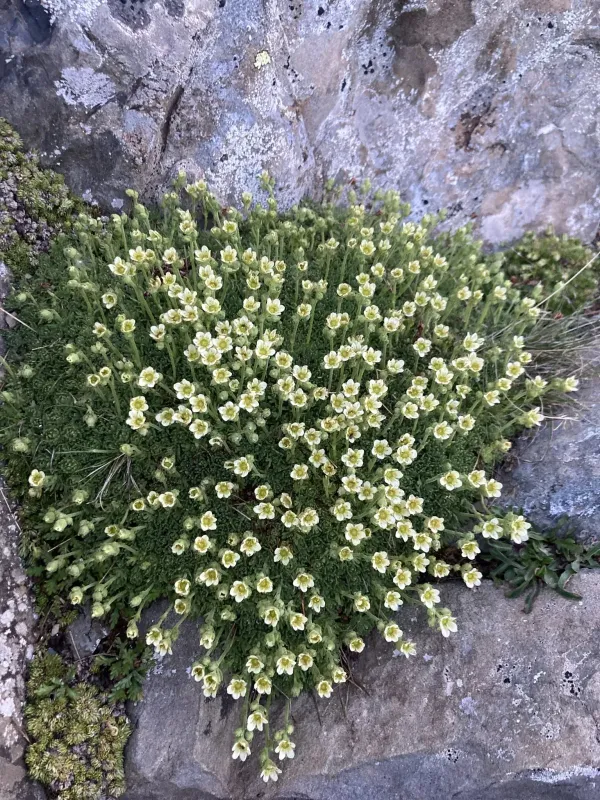
Description
Sowing dates
Sowing of Saxifraga exarata seeds is best performed in late winter or early spring. The seeds are small and should be sown on the surface of a light, well-draining substrate without covering them too deeply, as they require light for germination.
Cold stratification is highly recommended to break seed dormancy and improve overall germination rates. Maintain a temperature range of 15-18 degrees Celsius during the initial growth phase.
Once seedlings have developed their first true leaves, they should be pricked out into small individual pots. Handle the delicate roots with extreme care to ensure the plant establishes successfully.
Transplanting into the permanent garden site should occur after the danger of late frost has passed. Ensure the chosen location provides adequate air circulation to prevent young plants from damping off.
Propagation through division is a common method for established clumps. This task is best performed after the flowering period to allow the plant to focus on root establishment before the winter dormant season.
Growing requirements
Saxifraga exarata is a member of the Saxifragaceae family, naturally found in high-altitude environments. It is characterized by its low-growing habit and adaptability to rocky, mountainous terrain.
The primary requirement for successful cultivation is excellent soil drainage. It thrives in gritty or sandy soil mixes, which prevent the crown of the plant from remaining wet for too long.
This species prefers cool, airy locations with partial sun. While it requires light for healthy growth, midday shade is necessary in warmer climates to prevent the foliage from scorching.
Avoid excessive fertilization, as this alpine species is adapted to nutrient-poor soils. Over-feeding can lead to weak, elongated growth and reduced flowering performance.
Regular maintenance involves top-dressing the soil surface with small gravel or grit. This keeps the foliage off the soil, preventing rot and maintaining the plant's natural alpine appearance.
Main diseases and pests
Root rot is the most significant threat to Saxifraga exarata, usually triggered by waterlogging or poor drainage. Ensuring the substrate remains porous is the best preventative measure.
Fungal diseases, including leaf spot and powdery mildew, may occur during periods of high humidity. Proper spacing between plants promotes airflow and significantly reduces the incidence of these infections.
Spider mites can be problematic during dry, hot spells. If an infestation occurs, a gentle spray of water or the use of mild horticultural soap can effectively manage the mite population.
Slugs and snails may feed on the tender rosettes, particularly in damp conditions. A barrier of sharp grit or wood ash around the base of the plant can deter these pests from reaching the foliage.
Viral infections can occasionally occur, manifesting as distorted leaf growth. If a plant shows signs of mosaic patterns or severe stunted growth, it is best to remove it to protect the surrounding plants.