
Saxifraga elisabethiae
Saxifraga elisabethiae
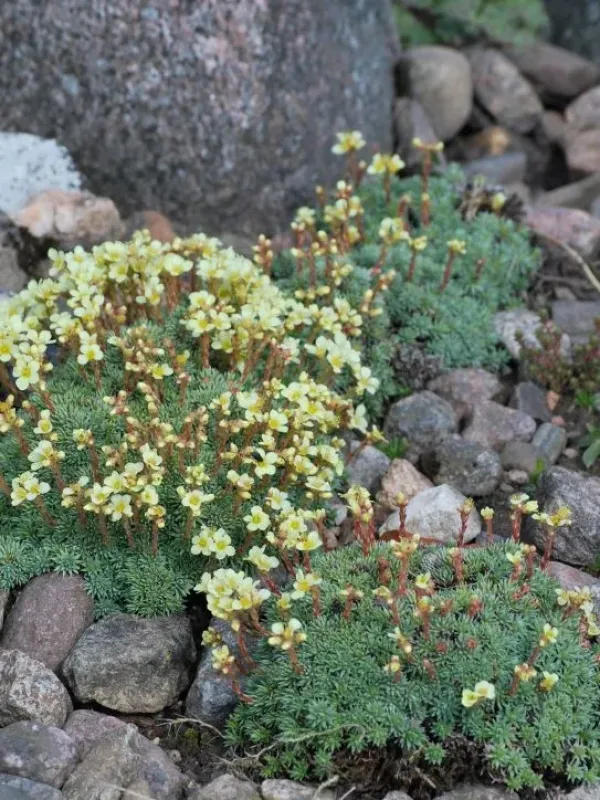
Description
Sowing dates
Propagation of Saxifraga elisabethiae is primarily achieved through vegetative methods, as it is a hybrid cultivar. The best time for dividing clumps is in early spring, as soon as the snow melts, or in late autumn when the plant enters dormancy.
Seed propagation is generally ineffective for this hybrid, as the offspring do not maintain the parent plant's characteristics. If sowing is required, seeds should be sown in late autumn in containers, ensuring a period of cold stratification.
Young divisions should be planted at intervals of 15–20 centimeters. Proper spacing is essential to ensure adequate air circulation around the rosettes, which helps prevent rot in the center of the plant.
When planting, it is crucial not to bury the root crown too deep, as this often leads to tissue decay. It is recommended to mulch the soil surface around the plant with fine gravel or crushed stone to prevent foliage from touching the damp soil.
Regular watering is necessary until the plants are fully established. However, it is vital to avoid waterlogging the substrate, as excessive moisture is the primary cause of plant failure in this species.
Growing requirements
Saxifraga elisabethiae belongs to the Saxifragaceae family and is a compact, evergreen perennial. It is a well-known interspecific hybrid widely used in decorative landscaping, particularly in rock gardens and alpine beds.
The plant prefers well-lit areas but requires shade during the hottest hours of summer. Direct, intense sunlight can cause leaf scorching and accelerate the drying of the root system, which is detrimental to this delicate species.
The soil must be light, stony, and have a neutral or slightly alkaline pH. Excellent drainage is the most critical requirement for successful cultivation, as water stagnation in the root zone quickly leads to plant death.
The parent species are native to alpine regions and are adapted to cool climates. Saxifraga elisabethiae thrives when there are significant temperature fluctuations between day and night, which stimulates vigorous blooming in spring.
While the plant is cold-hardy, it needs protection from winter desiccation and cold, dry winds. In spring, cleaning the plant of old, dead leaves is necessary to promote the growth of new rosettes and improve airflow.
Main diseases and pests
Excessive moisture in both air and soil poses the greatest threat to Saxifraga elisabethiae. Inadequate growing conditions often lead to various types of rot that affect the root system and stems if the soil remains wet.
Spider mites and aphids are the most common pests, particularly during hot and dry periods. Systemic insecticides should be used carefully if infestations occur, strictly following the labels for decorative ornamental crops.
Slugs and snails can cause mechanical damage to the leaves, especially during wet weather. Utilizing a gravel mulch creates a natural barrier that discourages these pests from reaching the succulent rosettes.
Powdery mildew may develop in cases of poor air circulation and high humidity. Proper spacing of plants and the removal of decaying plant matter are essential preventative measures to minimize disease spread.
Agronomists strongly advise against overhead watering, recommending instead that water be applied directly at the base of the plant. Keeping the foliage dry is the most effective way to prevent fungal infections in this alpine culture.