
Dichotomous saxifrage
Saxifraga dichotoma
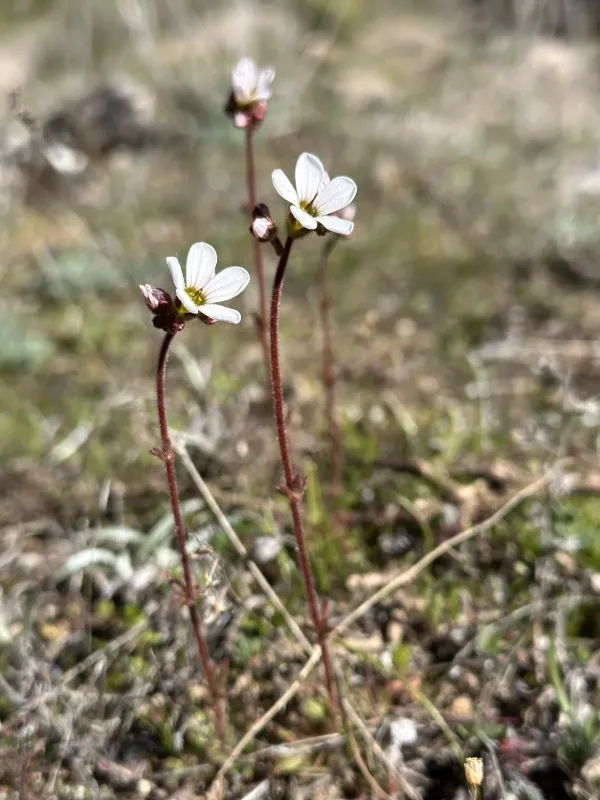
Description
Growing requirements
Dichotomous saxifrage (Saxifraga dichotoma) is a perennial herbaceous plant belonging to the Saxifragaceae family. Known for its specific adaptation to mountainous terrains, it forms dense, low-growing cushions that are highly valued in ornamental horticulture.
Originating from high-altitude regions, this plant has evolved to thrive in rocky soils and challenging environmental conditions. It is specifically adapted to environments with limited nutrients and high thermal fluctuations.
For successful cultivation, the species requires excellent drainage, as water stagnation is fatal to the root system. It thrives best in stony or calcareous substrates that mimic its natural alpine habitat.
The plant prefers full sun to partial shade locations, where it can be protected from extreme heat while still receiving enough light to maintain its compact growth habit. It is highly winter-hardy and resilient to frost.
In landscaping, this saxifrage is primarily used for rock gardens, crevice planting, and troughs. Its ability to grow in small soil pockets makes it a staple for creating authentic alpine-style garden displays.
Main diseases and pests
The primary threat to the health of Saxifraga dichotoma is the combination of excessive soil moisture and poor drainage. This environment typically leads to crown rot and various fungal pathogens that can destroy the plant rapidly.
Slugs and snails are the most common pests, as they are attracted to the succulent, moisture-rich foliage. Using gravel mulch around the base of the plant can serve as a physical deterrent against these creatures.
Fungal diseases like leaf spot or mildews can occur during periods of high humidity or insufficient air circulation. Proper placement and avoiding overhead irrigation can significantly reduce the incidence of these issues.
In cases of aphid or mite infestations, insecticidal soaps or biological controls are generally effective. It is critical to avoid aggressive chemical treatments that might damage the sensitive foliage.
Maintaining a clean, well-drained growing environment is the most effective way to prevent plant stress. Routine inspection ensures early detection of potential threats before they impact the entire cushion structure.