
Saxifraga depressa
Saxifraga depressa
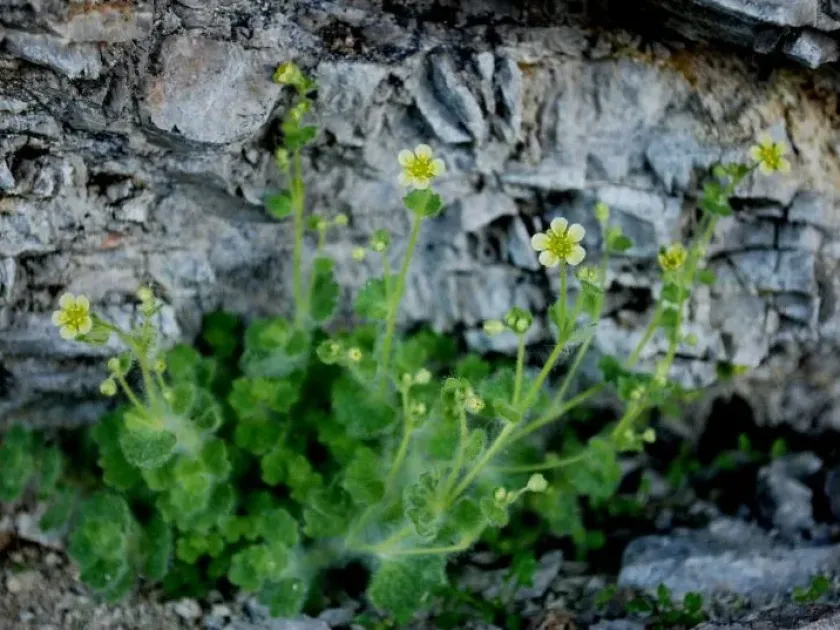
Description
Sowing dates
Propagating Saxifraga depressa from seeds requires patience and specific conditions. The seeds need a period of cold stratification to break dormancy, making late winter the ideal time to start sowing in seed trays.
Use a gritty, well-draining substrate mix. Sow seeds on the surface of the growing medium and press them down lightly; do not bury them, as they require light for successful germination.
Keep the substrate consistently moist but not waterlogged. Placing the seed tray in a cool, bright location—but away from direct, harsh sunlight—will encourage steady development of the seedlings.
Vegetative propagation through division is often more reliable for this species. Carefully separate established clumps after the flowering period, ensuring each division has its own set of roots and a portion of the main crown.
After transplanting, keep the young plants in a sheltered environment for a few weeks until they establish a robust root system and demonstrate active new growth.
Growing requirements
Saxifraga depressa, a member of the Saxifragaceae family, is a slow-growing perennial perfectly suited for rock gardens and crevice plantings. It prefers environments that mimic its natural mountainous habitat.
Soil requirements are strict: the medium must be exceptionally well-draining and lean. A mixture of horticultural grit, sand, and a minimal amount of leaf mold is ideal to prevent root suffocation.
The plant thrives in partial shade or areas with bright morning sun. Intense afternoon heat can be detrimental, often causing the tight foliage cushions to bleach or dry out prematurely.
Watering should be approached with caution. Always aim for the soil around the plant rather than the center of the rosette, as trapped moisture in the crown is the primary cause of sudden plant failure.
In terms of temperature, this alpine species is cold-hardy but sensitive to high humidity combined with stagnant air. Good air circulation is essential for maintaining the health and compactness of the plant.
Main diseases and pests
The most frequent issue encountered when growing Saxifraga depressa is root rot, typically caused by poor drainage or overwatering. Once a plant starts rotting from the center, recovery is rarely possible.
Slugs and snails are major pests, especially during wet springs. These mollusks can devour the succulent-like foliage overnight, so monitoring and preventive measures, like copper tape or bait, are recommended.
Spider mites can become an issue during hot, dry spells. They cause the leaves to lose their vibrant color and eventually wither. Regular light misting can deter these pests and maintain adequate humidity.
Botrytis, a grey mold, can affect the plant if it is kept in stagnant, humid conditions with no breeze. Proper spacing between individual plants in the rock garden is the best long-term prevention strategy.
Maintaining a dry, clean surface around the crown using top-dressing with pea gravel prevents direct contact between the leaves and wet soil, significantly reducing the incidence of foliage diseases.