
Saxifraga cymbalaria
Saxifraga cymbalaria
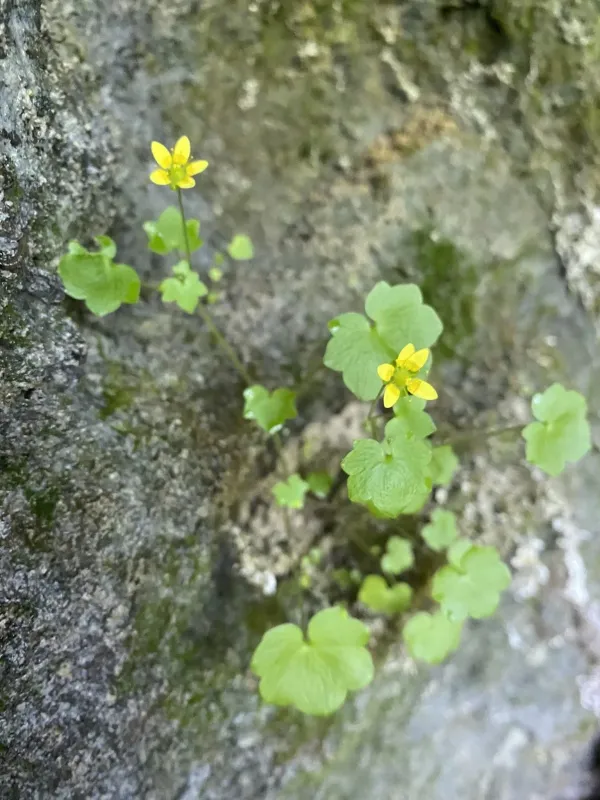
Description
Sowing dates
Saxifraga cymbalaria is an annual herbaceous plant belonging to the Saxifragaceae family, known for its delicate growth and ornamental appeal.
Sowing in open ground should be performed in early spring once the soil temperature is consistently above 10 degrees Celsius.
The seeds are tiny and require light for germination, so they should be sown on the surface and only lightly dusted with fine soil or sand.
If started indoors, seeds can be sown in late winter in seed trays filled with a well-draining, sterile potting mix to prevent damping-off.
Germination typically occurs within two to three weeks under consistent moisture and moderate temperatures ranging from 18 to 20 degrees Celsius.
Growing requirements
The plant thrives in partial shade conditions, as intense direct sunlight can desiccate the foliage and shorten the flowering period significantly.
Well-drained, porous soil is essential; the plant is highly sensitive to waterlogged conditions which quickly lead to root decay and overall decline.
Regular but moderate watering is necessary, ensuring the root zone stays damp without becoming soggy, especially during peak summer temperatures.
A soil pH in the neutral range is ideal, and moderate fertility is sufficient to support the vegetative growth and abundant floral display of the plant.
Adequate space between plants is vital to promote good air circulation, which helps reduce the humidity levels around the foliage and prevents disease.
Main diseases and pests
Aphids are common pests that attack the tender buds and young leaves of the plant, often leading to stunted growth and reduced ornamental value.
Spider mites can become problematic during dry, hot weather, feeding on the undersides of the leaves and causing chlorotic spots and webbing.
Fungal diseases like grey mould and root rot are the primary threats, usually stemming from poor drainage and excessive moisture in the growing medium.
Early detection of pests is crucial, and mechanical removal or localized soap sprays are often effective for managing minor infestations.
Cultural practices such as clean gardening, proper spacing, and avoiding overhead irrigation significantly lower the incidence of common pathogens.