
Corsican saxifrage
Saxifraga corsica
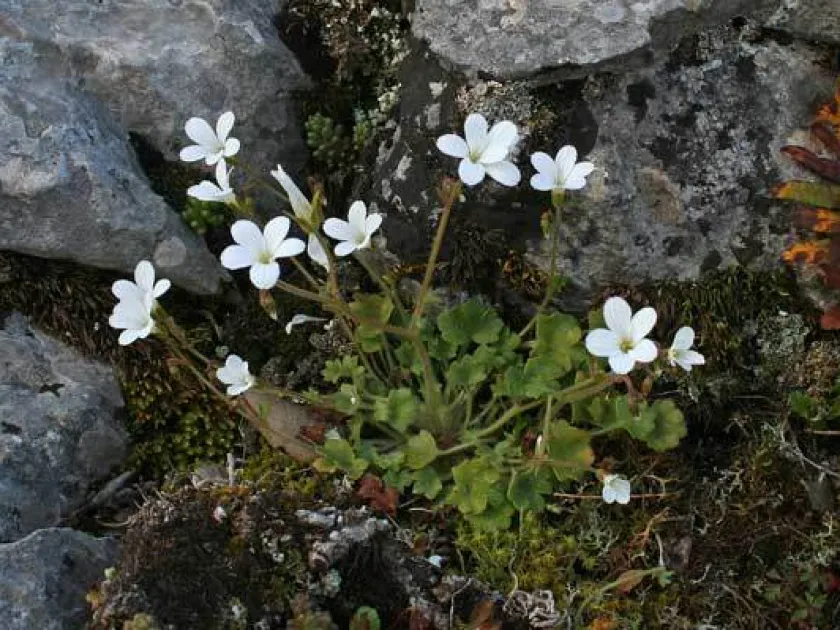
Description
Sowing dates
Sowing of Corsican saxifrage (Saxifraga corsica) seeds is typically carried out during late winter or early spring to ensure the plants have enough time to establish.
Cold stratification of the seeds is highly recommended for a period of several weeks before sowing to break dormancy and ensure successful germination.
The seeds should be sown in a well-draining, sterile potting mix and kept at a stable temperature of approximately 15 to 18 degrees Celsius.
Seedlings should be kept in a bright location, away from direct midday sun, until they are robust enough to be transplanted into individual containers.
Gradual acclimatization to outdoor conditions is necessary before planting them in a permanent rock garden location to prevent transplant shock.
Growing requirements
Corsican saxifrage is a member of the Saxifragaceae family, native to the rugged terrain and rocky slopes of the island of Corsica.
The culture thrives in rocky, well-draining soils with a neutral to slightly alkaline pH, mirroring its natural high-altitude environment.
While it prefers cool, partially shaded sites, it can tolerate more exposure to sunlight provided that there is adequate moisture available to the root system.
Careful irrigation is crucial, as the plant is highly susceptible to root rot if the soil remains waterlogged for an extended period.
It is best used as a ground cover in alpine rock gardens or creviced wall displays, where its low-growing, rosette-forming habit can be fully appreciated.
Main diseases and pests
The most significant threat to Corsican saxifrage is fungal infection, which often manifests as root or crown rot due to poor drainage and high soil moisture.
Aphids and spider mites are common pests that tend to infest the plant during dry spells, potentially leading to stunted growth or chlorosis of the foliage.
Maintaining good airflow around the plants and avoiding overhead watering are effective preventive measures against the onset of fungal diseases.
Regular monitoring of the rosettes for yellowing or spotting is necessary to catch and treat issues before they spread to the entire cluster.
In humid climates, slugs can be particularly problematic, feeding on the tender foliage of the saxifrage, requiring barrier methods or organic control.