
Saxifraga conifera
Saxifraga conifera
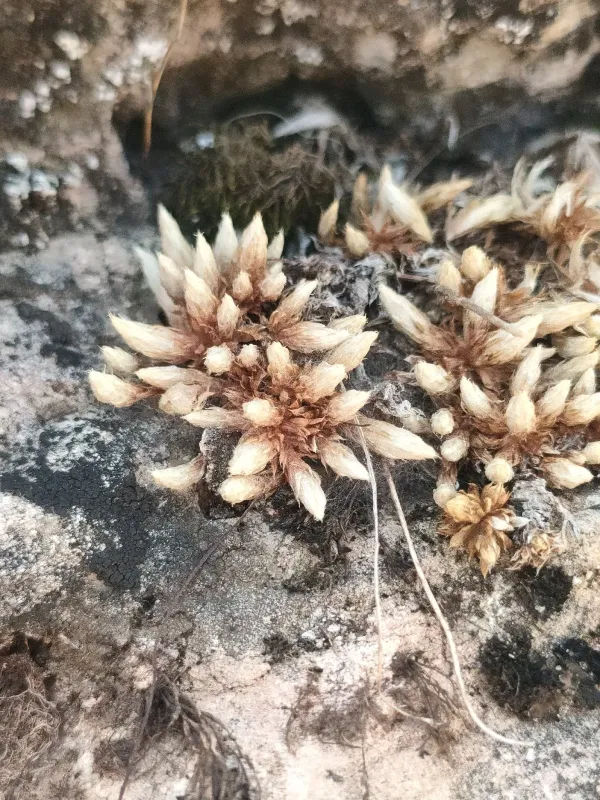
Description
Growing requirements
Saxifraga conifera is a perennial herbaceous plant belonging to the Saxifragaceae family. This species is native to mountainous regions, primarily the Pyrenees, where it grows in limestone crevices and rocky outcrops. Its botanical structure is defined by dense, cone-shaped rosettes of leaves.
For successful cultivation, the plant requires excellent drainage. A substrate composed of a mix of sand, grit, and limestone chips is ideal. In garden settings, it is best planted in raised beds or rockeries to ensure that water drains away from the crown, preventing moisture-related decay.
The plant thrives in bright, sunny locations but benefits from light shade during the hottest parts of the day in summer. It is highly adapted to cooler temperatures, making it a robust choice for alpine gardens. It requires minimal fertilization, as it is naturally suited to nutrient-poor soils.
Maintenance involves careful watering, ensuring that the water is applied directly to the soil rather than over the rosettes. Excessive moisture in the heart of the plant can lead to leaf rot, which is the most common cause of plant loss in domestic collections.
This species is used exclusively for ornamental purposes. It is a staple in rock gardens, troughs, and alpine houses, providing a unique texture and architectural form that persists throughout the year, even during the dormant season.
Main diseases and pests
The primary threats to Saxifraga conifera are fungal pathogens, specifically those causing root and crown rot. These issues are almost always triggered by high humidity levels and poor soil aeration, necessitating a strict adherence to dry-culture methods.
Pests such as spider mites may occur during prolonged dry spells. These pests damage the foliage, leading to discoloration and a decline in the plant's overall vigor. Regular monitoring is essential to detect early infestations and intervene appropriately.
Mollusks, including snails and slugs, find the succulent leaves of the rosettes attractive. They can cause significant damage, especially in spring when new growth appears. Physical barriers or eco-friendly deterrents are recommended to protect the plants.
Proper hygiene is crucial for disease prevention. Removing debris and withered leaves from the base of the rosettes prevents the accumulation of moisture and creates an environment where fungal spores are less likely to proliferate.
In cases of severe pest or disease outbreak, targeted application of fungicides or acaricides is acceptable. However, environmental control remains the most effective management strategy for this delicate alpine species.