
Saxifraga cochlearis
Saxifraga cochlearis
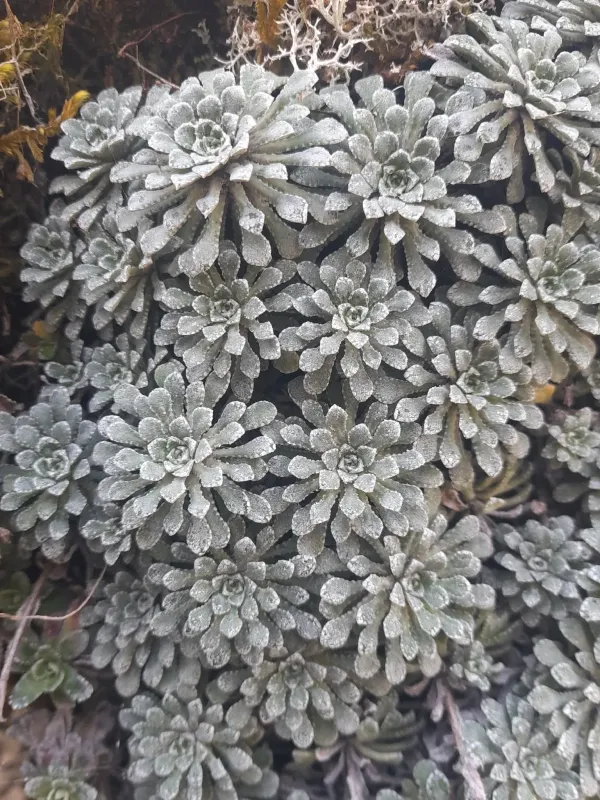
Description
Sowing dates
Sowing of Saxifraga cochlearis seeds is usually performed in early spring, specifically during March and April, using the seedling method in shallow containers.
The seeds are extremely small, so they should be surface-sown on a well-draining substrate and only lightly pressed down without being buried deeply.
Cold stratification is a critical step for these seeds, as it mimics the alpine winter and is essential for achieving a high germination rate.
Seedlings should be kept in a bright, cool environment and protected from extreme heat until they are robust enough for transplantation into the open garden.
When the danger of frost has passed, young plants can be moved to their permanent location in rock gardens or stone walls, ensuring careful handling of the roots.
Growing requirements
Saxifraga cochlearis, a member of the Saxifragaceae family, is native to the limestone cliffs of the Maritime Alps, which dictates its specific environmental needs.
The plant requires a highly porous, gritty, and well-draining soil medium, preferably one that is alkaline or neutral to match its natural habitat.
It thrives in sunny to partially shaded exposures where air circulation is excellent, as stagnant air and moisture can lead to rapid plant decay.
The species is remarkably cold-hardy and well-suited for temperate climates, provided that it is protected from winter dampness that could rot the root crown.
Proper cultivation involves providing a rocky substrate that mimics natural scree conditions, ensuring the plant never sits in standing water or heavy clay.
Main diseases and pests
The most significant threat to the health of this species is root and crown rot, primarily induced by overwatering or poor drainage in the potting mix.
Fungal infections, often manifesting as leaf spots or molds, can occur if the foliage remains wet for extended periods without proper ventilation.
Slugs and snails are the primary pests that damage the succulent, spoon-shaped leaves, especially during wet spring or autumn weather conditions.
While generally pest-resistant, aphids or spider mites may sporadically attack if the plants are stressed by drought or high-temperature greenhouse environments.
Maintaining a clean, debris-free growing area is essential for preventing the buildup of pathogens that can compromise the plant's structural integrity.