
Cintra saxifrage
Saxifraga cintrana
Description
Growing requirements
Cintra saxifrage (Saxifraga cintrana) is a unique member of the Saxifragaceae family, endemic to the Serra de Sintra mountains in Portugal. This plant has adapted to the specific conditions of its native coastal habitat, which is characterized by high air humidity and moderate annual temperatures, shaping its distinct growth requirements.
Cultivating this species requires mimicking its natural rocky, well-draining environment. A specialized substrate consisting of mineral debris, grit, and high-quality limestone components is essential to prevent root asphyxiation, as the plant is highly intolerant of waterlogged conditions around its crown.
The plant thrives in locations with filtered light or protection from intense mid-day sun, which can cause significant stress to its succulent leaves. In alpine gardening, it is best suited for north-facing slopes or spots where temperature fluctuations are dampened by surrounding stone structures that retain coolness.
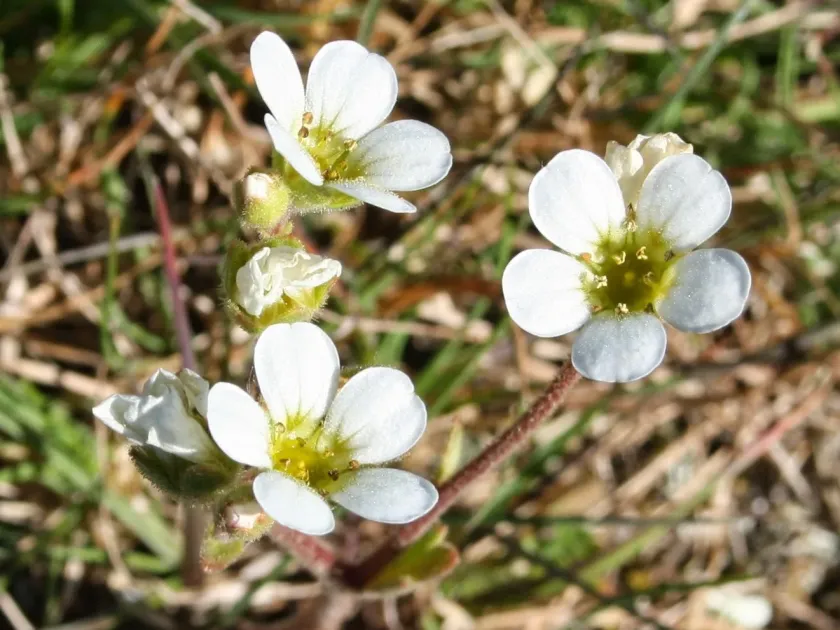
Botanically, it forms tight rosettes of thick, leathery leaves, designed to conserve water and survive in nutrient-poor rocky crevices. Its flowering period produces white blossoms on slender stems, which enhance its appeal for rock garden enthusiasts seeking rare and authentic alpine flora species.
In terms of agricultural and horticultural use, Cintra saxifrage is strictly an ornamental plant. It serves as a flagship species for specialized collections and botanical gardens that focus on the conservation of endemic and rare regional flora, rather than for mass production or commercial utility.
Main diseases and pests
The most severe threat to Cintra saxifrage is root rot, triggered by poor soil drainage and excessive soil moisture. To mitigate this risk, gardeners must ensure that the growing medium is permeable and that the root neck is covered with a thin layer of fine gravel to prevent leaf contact with wet soil.
Spider mites represent a major pest risk, particularly during periods of low humidity and high heat. These tiny pests can quickly devastate a rosette by draining nutrients from the leaves, requiring persistent monitoring and occasional treatment with mild biological acaricides or soaps.
Slugs and snails can cause mechanical damage to the leaves, which is especially problematic in young or newly transplanted specimens. Implementing physical barriers like copper tape or sharp grit around the perimeter of the plant can effectively deter these pests and maintain the plant's aesthetic value.
Fungal infections, including powdery mildew, can manifest if air circulation around the rosettes is insufficient. Good horticultural practice involves maintaining adequate spacing between individual plants, which ensures that foliage dries rapidly after rain or watering, thereby reducing the risk of pathogen spread.
Maintaining the health of this species requires a proactive approach centered on environmental management. Regular inspection for early signs of distress, such as leaf discoloration or uneven growth, remains the most reliable way to preserve the long-term viability of the plants within an ornamental collection.