
Drooping Saxifrage
Saxifraga cernua
Description
Growing requirements
Drooping Saxifrage (Saxifraga cernua) is a distinctive perennial plant belonging to the Saxifragaceae family. Native to arctic and alpine regions across the Northern Hemisphere, this species is uniquely adapted to harsh, cold climates where it thrives in rocky, tundra-like environments with limited nutrient availability.
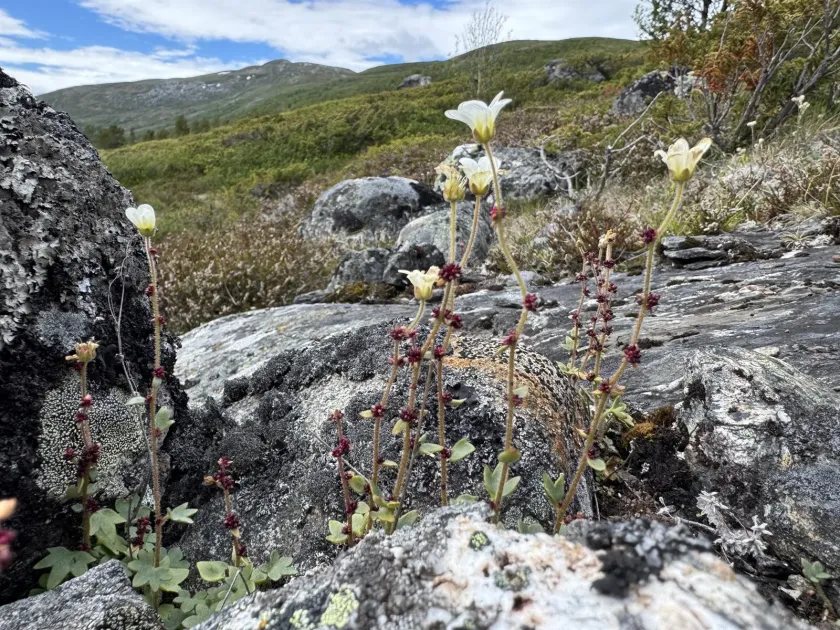
The botanical structure of this species is characterized by its small size and the development of reddish-brown bulbils in the leaf axils, which serve as the primary method of asexual reproduction. It typically features a single, nodding white flower, which is a key diagnostic feature distinguishing it from other closely related saxifrage species.
Regarding growing requirements, the plant prefers moist, well-drained, and nutrient-poor soils. It is naturally found near mountain streams, rocky slopes, and moist tundra areas. To successfully maintain this plant in a garden setting, it is essential to replicate these cool and damp conditions without allowing water to stagnate near the roots.
Climate preference for Drooping Saxifrage is strictly cold-hardy. It is not suitable for hot, dry regions, as high temperatures lead to rapid transpiration and physiological stress. Consistent moisture and protection from intense afternoon sun are critical for maintaining healthy, vegetative growth throughout the growing season.
The horticultural utility of Drooping Saxifrage is primarily focused on alpine gardens and specialized botanical collections. It is highly valued by enthusiasts of arctic flora for its resilience and unique reproductive strategy, making it a subject of both aesthetic appreciation and botanical research into cold-climate plant adaptation.
Main diseases and pests
The main threats to the health of Drooping Saxifrage are fungal pathogens, specifically those causing root rot and damping-off. These diseases are usually triggered by poor drainage or excessive humidity in the soil, which prevents the roots from accessing necessary oxygen and leads to rapid tissue breakdown.
Common pests such as aphids and spider mites can occasionally affect the foliage, particularly in confined spaces or areas with inadequate air movement. Feeding damage from these pests reduces the plant's vigor and can lead to the formation of smaller, less viable bulbils during the reproductive cycle.
Weed competition poses a significant risk to the plant's survival. Due to its slow-growing and compact nature, Drooping Saxifrage is easily outcompeted by larger plants or aggressive weeds. Maintaining a clean growing site is essential for its development, especially during the early stages of establishment.
Environmental stress caused by temperature fluctuations during late winter and early spring can damage the overwintering bulbils. Using a fine gravel mulch is highly recommended as an agronomic practice to stabilize soil temperature and protect the plant's base from moisture-induced frost damage.
While the species is relatively robust in its natural habitat, its vulnerability increases significantly under cultivation if conditions deviate from the ideal. Effective pest and disease management should focus on prevention, ensuring that cultural practices support the plant’s natural ability to withstand its specific arctic environment.