
Saxifraga carpetana
Saxifraga carpetana
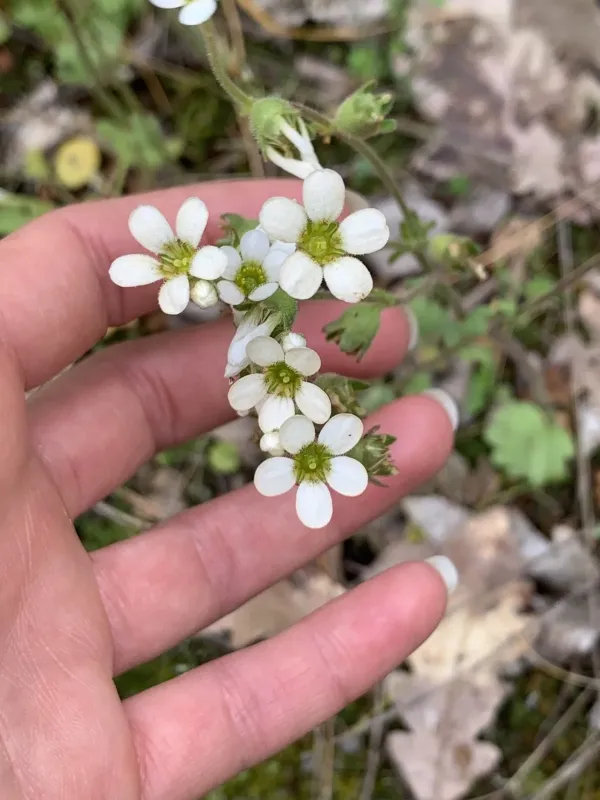
Description
Sowing dates
Saxifraga carpetana is a perennial herbaceous plant belonging to the Saxifragaceae family. It is distinct for its adaptation to rocky habitats and its ability to store nutrients in small tuberous root thickenings, which aids survival during dry seasons.
Propagation is primarily achieved via seeds, which are extremely small. When sowing, seeds should be sown on the surface of a fine, gritty, and well-draining seed-starting mix, then gently pressed down without covering them too deeply with soil.
Cold stratification is essential for successful germination. Keeping the seed trays in a cool environment (approximately +2°C to +5°C) for several weeks prior to moving them to warmer conditions simulates natural environmental cycles.
Seedlings develop slowly and require high levels of ambient light. It is critical to keep the humidity constant but low, preventing the soil from becoming waterlogged, as this is the most common cause of seedling mortality in this species.
Once seedlings have developed at least two sets of true leaves, they can be carefully transplanted into individual small pots. The substrate for potting should be lean, containing a high ratio of pumice or sand to promote rapid drainage.
Growing requirements
This species thrives in environments mimicking its native Spanish alpine landscapes. It requires a substrate that is neutral to slightly alkaline, significantly gritty, and possesses excellent porosity to avoid any risk of moisture retention.
Lighting conditions are paramount. While the plant prefers bright, direct sunlight in the morning, it benefits from light shade during the peak of the afternoon heat to prevent leaf scorching and excessive transpiration.
Watering management is a delicate balance. The soil must be allowed to dry out significantly between waterings. In winter, the plant enters a state of dormancy and should be kept almost completely dry to prevent root rot.
Temperature tolerance is generally good for temperate climates, though the plant requires protection from extreme frost if grown in pots. In open ground, a thick layer of coarse gravel mulch around the base provides both protection and aesthetic value.
The plant is not a heavy feeder. Excess nitrogen will result in leggy, weak growth that is more prone to disease. A balanced, low-concentration liquid fertilizer applied once in early spring is sufficient to support healthy flower development.
Main diseases and pests
The primary threats to Saxifraga carpetana are fungal pathogens, specifically those causing damping-off and root rot. These are almost exclusively associated with poor drainage, insufficient air circulation, or overly humid growing conditions.
Pests such as spider mites may become problematic during hot, dry spells. Aphids may occasionally cluster on tender flower stalks. Integrated pest management, focusing on physical removal or mild insecticidal soaps, is recommended.
Slugs and snails are major threats to the lush basal rosettes of this plant. Providing a dry, gritty surface around the plant acts as a deterrent, as these mollusks prefer moist ground for movement.
- Ensuring constant airflow around the plant's basal rosette.
- Removing dead foliage to prevent fungal buildup.
- Using systemic fungicides only as a last resort in strictly controlled environments.
Routine inspection for signs of stress, such as yellowing leaves or wilting, is vital. Early identification of root rot can allow for the salvage of the healthy portions of the tuberous roots, which can then be replanted in fresh, dry substrate.