
Saxifraga brachypoda
Saxifraga brachypoda
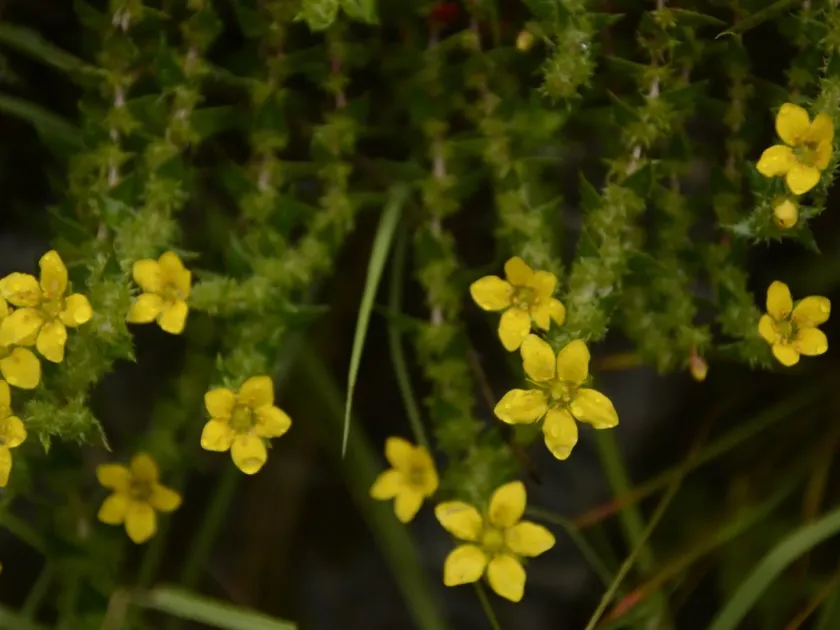
Description
Sowing dates
Saxifraga brachypoda belongs to the Saxifragaceae family. In agricultural and horticultural practices, propagation is mainly achieved through seeds, although vegetative division of clumps is common.
The optimal time for sowing seeds outdoors is autumn. This allows the seeds to undergo natural stratification during the winter months, which is essential for uniform germination.
If seeds are sown in the spring, they must be artificially stratified in a refrigerator for approximately 4 to 6 weeks. Skipping this step significantly reduces the germination rate of the species.
The seeds are minute and should be sown on the soil surface without deep burial. A light dusting of fine sand is sufficient to hold the seeds in place while maintaining contact with the moist substrate.
During the early development stage, consistent temperatures around 15-18 degrees Celsius should be maintained. Proper ventilation is crucial to prevent damping-off disease in young seedlings.
Growing requirements
This alpine species requires excellent drainage to thrive. It naturally grows in rock crevices, so a growing medium rich in small gravel or coarse grit is vital for its long-term survival.
The soil should be neutral to slightly alkaline in reaction. Excessive moisture retention in the root zone is highly detrimental and frequently leads to the rapid collapse of the plant.
Partial shade is generally preferred during the hottest part of the day. While the plant appreciates light, direct harsh sunlight can cause tissue dehydration and scorching of the delicate leaves.
The species is highly resilient to cold temperatures, making it an excellent candidate for exposed rock gardens. It effectively survives harsh winters if the drainage conditions are met correctly.
Watering should be careful and focused. Using a top dressing of fine gravel around the plant prevents crown rot by keeping the foliage dry while ensuring moisture reaches the deeper roots.
Main diseases and pests
Fungal infections, particularly root and crown rots, are the primary threats to Saxifraga brachypoda. These issues are almost exclusively linked to poor drainage or overly humid conditions.
Spider mites can be problematic during hot, dry summer spells. They weaken the plant by feeding on the sap, which can lead to stunted growth and a loss of aesthetic appeal.
Aphids occasionally infest the plant, targeting the tender new growth. Infestations should be managed immediately using organic or systemic insecticides to prevent the spread of viral pathogens.
Powdery mildew may occur if air circulation is insufficient. Ensuring proper spacing in planting schemes is a fundamental preventive measure against this common fungal disease.
Regular maintenance, including the removal of dead foliage, is necessary to keep the plant healthy. This reduces the environment where pests and pathogens can establish themselves.