
Saxifraga bourgeana
Saxifraga bourgeana
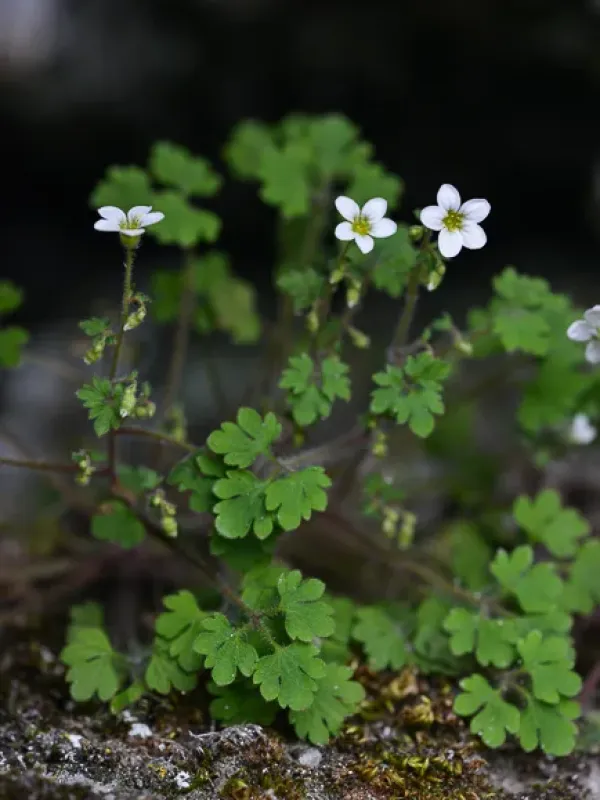
Description
Sowing dates
The sowing of Saxifraga bourgeana seeds should take place in late winter or early spring to allow for a necessary period of cold stratification.
The seeds are extremely small and should be sown on the surface of a well-drained substrate, covered only by a thin layer of fine grit or sand.
Maintaining a cool temperature range, preferably between 10 and 15 degrees Celsius, is essential for achieving optimal germination rates.
Once seedlings have developed their first true leaves, they should be carefully pricked out into individual small pots with excellent drainage.
Transplanting into the permanent outdoor location occurs after the risk of frost has passed, ensuring the plants are placed in a suitable microclimate.
Growing requirements
Saxifraga bourgeana is a member of the Saxifragaceae family and is recognized for its compact growth habit typical of high-altitude mountain environments.
Its natural habitat includes rocky slopes and crevices in the Iberian Peninsula, where it thrives in mineral-rich, calcareous, and lean soils.
The plant requires a gritty, lime-rich soil medium that ensures rapid water drainage, as standing moisture is detrimental to its long-term survival.
Placement should offer bright but indirect light or protection from the intense midday sun, which can cause significant stress to the foliage.
Minimal fertilization is required, as this species is adapted to nutrient-poor substrates; excess nutrients often lead to weak and elongated growth.
Main diseases and pests
The most significant threat to Saxifraga bourgeana is fungal infection caused by improper drainage and excessively high humidity in the root zone.
Root rot remains the primary cause of plant failure, usually triggered by stagnant water or the use of heavy, water-retaining garden soils.
Pests such as snails and slugs can pose a threat, particularly during humid weather, by feeding on the dense, succulent leaf rosettes.
Powdery mildew can appear if airflow around the rosettes is insufficient, necessitating a location with good ventilation to keep the foliage dry.
Maintaining a clean, mulched surface around the plant with fine gravel helps to prevent direct contact between leaves and soil, reducing disease risks.