
Salsola vermiculata
Salsola vermiculata L.
Description
Growing requirements
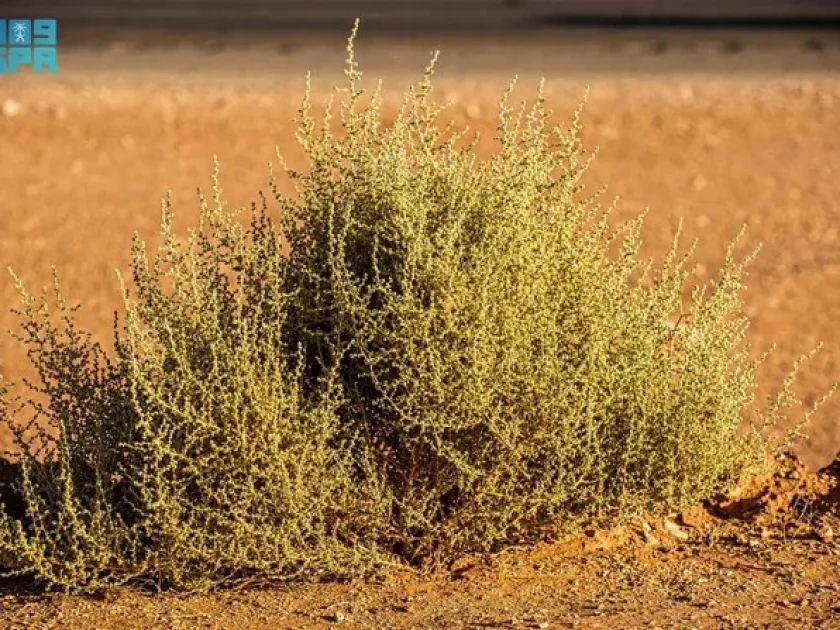
Salsola vermiculata L. is a perennial shrub belonging to the Amaranthaceae family, widely recognized for its high tolerance to saline environments and arid conditions.
The plant originates from the Mediterranean basin and arid zones of North Africa and Western Asia, where it forms an essential component of the local xerophytic vegetation.
For optimal growth, Salsola vermiculata requires well-drained, sandy, or rocky soils with significant mineral salt content and good aeration to prevent root rot.
It thrives in full sun exposure and possesses remarkable drought-resistance mechanisms, such as reduced leaf surfaces and deep root systems for moisture absorption.
Its primary agricultural use is as a reliable fodder source for camels, sheep, and goats, providing vital nutrients in harsh environments where grasses fail to grow.
Main diseases and pests
The main threats to this culture are fungal diseases triggered by high humidity levels or poor drainage, which typically affect the root system of the shrub.
Pests, particularly grasshoppers and leaf-eating beetles, can cause significant defoliation, especially in regions with concentrated natural populations of these insects.
Environmental stress, such as extreme flooding, represents a major risk factor, as the species is not adapted to long-term waterlogging or anaerobic soil conditions.
Viral infections transmitted by sap-sucking insects may occasionally impact the vigor and yield of the plant in intensive grazing areas.
Effective management includes regular monitoring of plant health and the implementation of controlled grazing rotations to prevent over-exploitation of the forage.