
Salak
Salacca zalacca (Gaertn.) Voss
Description
Growing requirements
Salak (Salacca zalacca) is a perennial, low-growing palm species belonging to the Arecaceae family. Native to Southeast Asia, it thrives in hot and humid tropical climates, requiring consistent temperatures between +20°C and +30°C throughout the year.
The plant demands high soil moisture and rich, well-draining organic substrates. It is highly sensitive to waterlogging, so choosing a site with excellent drainage is crucial to prevent root rot and ensure healthy development of the palm’s root system.
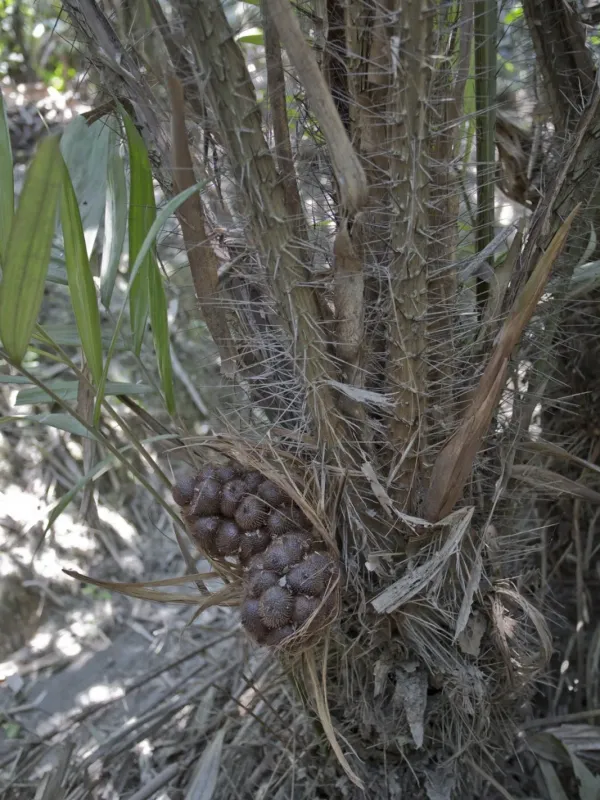
Botanically, the salak palm features short stems and long pinnate leaves densely covered in sharp spines, which provide natural protection. The plant is known for its clustering growth habit, effectively forming impenetrable thorny thickets in its native environment.
Cultivation practices require partial shade, particularly during the early stages of the plant's life cycle. As the palms mature, they can tolerate slightly more light, but extreme direct sunlight should still be avoided to maintain optimal leaf health and prevent tissue scorch.
The fruit of the salak is highly valued for its crisp, sweet-and-sour flesh and distinctive snake-like skin. It is used in fresh consumption, salads, and traditional medicine, playing a significant role in the local agricultural economy of tropical countries.
Yield
Salak palms are relatively precocious, typically entering the fruit-bearing phase within 3 to 4 years of planting. This short wait time compared to other palm species makes it a preferred choice for small-scale tropical orchards.
Productivity remains stable for several years, provided that the plantation is managed with appropriate moisture levels and nutrition. A mature, well-tended palm can yield multiple clusters of fruit annually, contributing to a steady harvest cycle.
Main diseases and pests
The crop is vulnerable to various pests, including leaf-feeding caterpillars and curculionid beetles. Additionally, high humidity levels can lead to fungal infections affecting the crown or the root zone, which can significantly stunt growth.
Integrated pest management strategies involve maintaining adequate spacing between palms to ensure airflow and performing regular sanitation by removing dead or infected foliage. Proper water management is also essential to prevent pathogen outbreaks.
Harvesting
Harvesting salak is a labor-intensive task due to the protective spines on the plant. Farmers must wear thick gloves and protective gear to manually cut the fruit clusters from the base of the palm using sharp blades.
Timing the harvest is critical; fruit should be picked only when it has reached full maturity to ensure the best flavor profile. After harvesting, the fruit is cleaned and graded based on size and skin condition for distribution.