
Salacca wallichiana
Salacca wallichiana Mart.
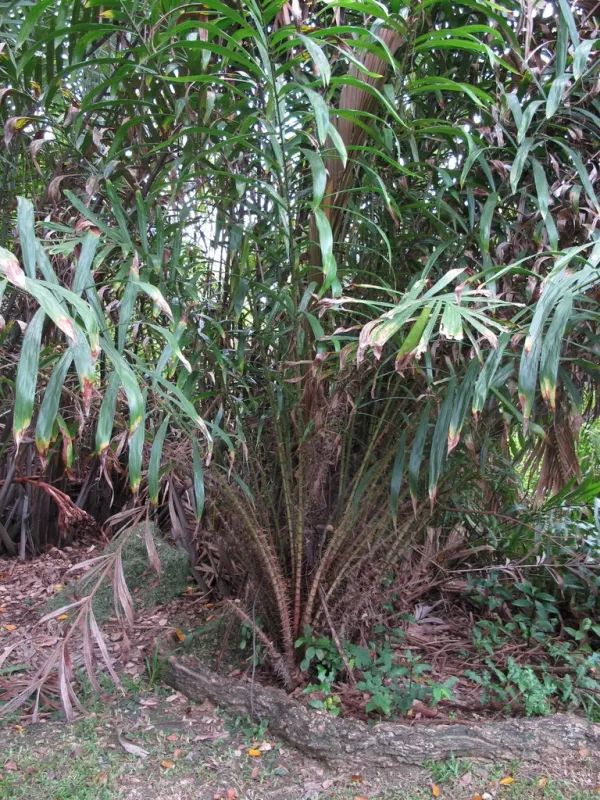
Description
Growing requirements
Salacca wallichiana is a species of tropical palm belonging to the Arecaceae family, native to the humid rainforests of Southeast Asia. The plant thrives in environments characterized by high temperatures and consistent rainfall throughout the year.
For optimal growth, the species requires deep, nutrient-rich soils with high organic matter content. It is highly sensitive to soil compaction and demands a well-draining substrate to prevent waterlogging, which is detrimental to its root system.
Climate requirements include a stable temperature range between 25 and 32 degrees Celsius. Being a tropical plant, it cannot tolerate cold snaps, and temperatures consistently below 15 degrees Celsius can cause significant damage or death.
Humidity is a critical factor for the successful cultivation of this palm. In commercial settings, maintaining high atmospheric humidity is essential, especially during the early stages of development and the period of fruit maturation.
Regarding light, while younger palms prefer shaded nursery conditions, mature plants require partial to full sunlight to sustain vigorous growth and high productivity levels. Proper spacing in orchards is necessary to ensure adequate airflow and light penetration.
Yield
The fruit of Salacca wallichiana, commonly known as snake fruit due to its scaly, reddish-brown skin, is a significant crop in its native range. Productivity is heavily dependent on cross-pollination, as the plants are dioecious, requiring both male and female trees in proximity.
The fruit is highly prized for its unique sweet and acidic flavor profile. It is consumed fresh, used in salads, or processed into preserves, jellies, and beverages, contributing to local food security and economic activity.
Harvesting occurs when the fruit reaches its physiological maturity, indicated by the change in skin texture and color. Due to the presence of sharp spines on the stems and leaf sheaths, manual harvesting requires protective gear and careful handling techniques.
In addition to the fruits, some cultivars allow for the harvesting of the palm heart, which is consumed as a delicacy. This dual-purpose usage increases the efficiency of land use for smallholder farmers in the region.
Post-harvest management is crucial, as the fruit has a relatively short shelf life. Cold storage and controlled handling are employed to maintain quality, although these technologies are not always accessible in all cultivation zones.
Main diseases and pests
Fungal diseases are a primary concern for Salacca wallichiana, particularly in regions with excessive rainfall or poor garden maintenance. Pathogens often attack leaves and stems when airflow is obstructed by dense vegetation.
Pests such as palm weevils pose a significant threat to the plant's structural integrity. Larvae of these insects often bore into the stem or the growing tip, leading to rapid decline and potential loss of the crop.
Root rot is a common issue resulting from waterlogged soils or improper irrigation practices. To mitigate this risk, farmers must ensure that the cultivation area is situated on land with natural or artificial drainage systems.
Integrated Pest Management (IPM) is strongly recommended for this crop. Because the fruits are consumed directly, limiting the use of harsh synthetic chemicals is essential to meet food safety standards and promote environmental health.
Monitoring for signs of nutrient deficiency or stress is a standard agronomic practice. Regular soil testing helps maintain the necessary balance of minerals, which in turn enhances the plant's natural resistance to diseases and common environmental stressors.