
Salacia verrucosa
Salacia verrucosa
Description
Growing requirements
Salacia verrucosa is a significant woody plant species belonging to the Celastraceae family. It is natively found in tropical rainforest environments, where it adapts to dense canopies and high humidity levels throughout the growing season.
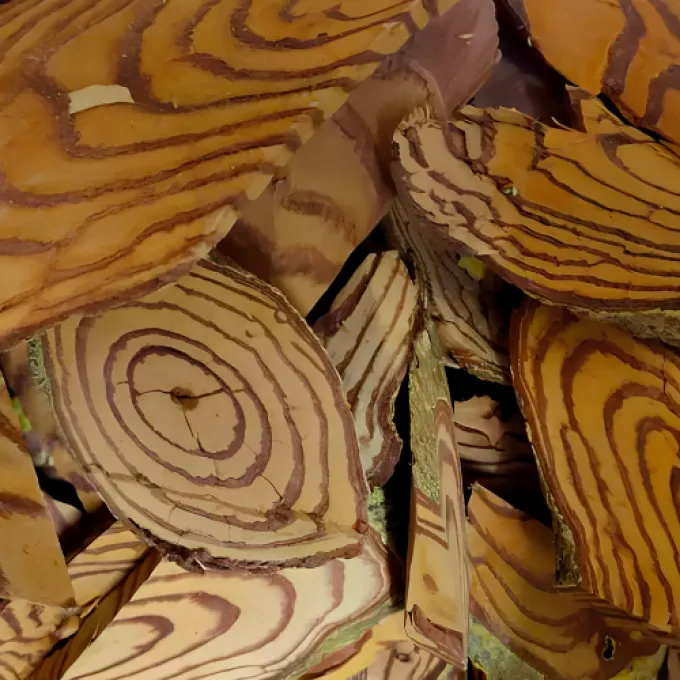
The plant is botanically identified by its distinct warty bark texture, which gives it its specific scientific name. It typically grows as an evergreen shrub or a climbing vine, possessing leathery leaves designed to minimize water loss and endure tropical heat.
Successful cultivation requires loose, well-draining soils rich in organic matter. Soil aeration is paramount; the plant cannot tolerate waterlogged conditions, which often serve as a catalyst for root rot development in tropical horticulture.
Climate requirements include constant warm temperatures, ideally between 22 and 30 degrees Celsius. Exposure to cold drafts or freezing temperatures is fatal, thus restricting large-scale agricultural production to tropical or greenhouse environments.
The maintenance protocol involves regular monitoring of light intensity. While mature plants can handle partial shade, seedlings benefit from diffuse light to prevent scorching, ensuring steady vegetative development during the first stages of growth.
Harvesting
The primary economic value of Salacia verrucosa lies in its pharmacological applications. The roots and stems are rich in potent bioactive compounds, including specific polyols and triterpenoids used in metabolic health supplements.
Harvesting is performed by carefully extracting the roots and secondary stems. This process is strategic, occurring only when the concentration of secondary metabolites peaks, which is monitored through systematic chemical analysis of the plant tissues.
Post-harvest procedures include rapid cleaning and precise drying. Utilizing temperature-controlled drying facilities prevents the thermal degradation of delicate phytochemicals, ensuring that the harvested material retains its maximum medicinal potency.
Standard storage practices involve using moisture-proof containers to prevent oxidation and fungal colonization of the dried material. Proper labeling and batch management are essential for maintaining supply chain standards for pharmaceutical buyers.
As research into Salacia species expands, agricultural practices are shifting towards standardized plantation models to ensure sustainable harvesting and consistent quality, reducing the pressure on wild plant populations in their native range.