
Salacia elliptica
Salacia elliptica
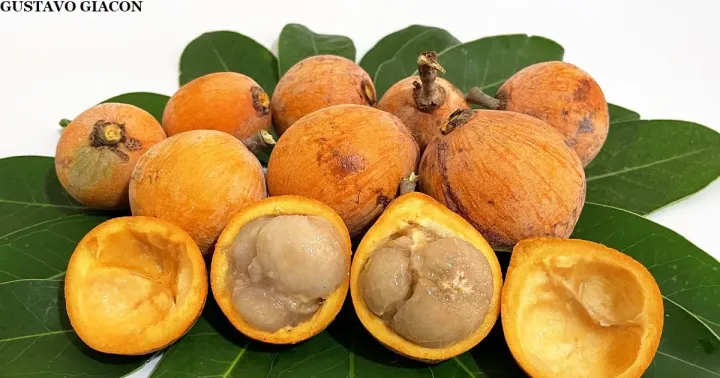
Description
Growing requirements
Salacia elliptica is a woody plant species within the Celastraceae family. It is native to the tropical regions of South America, primarily flourishing in humid forest environments.
The plant requires a strictly tropical climate with consistent temperatures and high levels of atmospheric humidity to thrive. It is highly sensitive to cold and cannot survive in frost-prone conditions.
For optimal growth, Salacia elliptica needs well-drained, nutrient-dense soils. The presence of organic matter is essential, and waterlogging must be avoided to prevent root diseases.
In terms of light exposure, young specimens require partial shade to mimic their natural forest floor habitat. Mature plants can tolerate more intense light but still benefit from filtered sun conditions.
Economic importance of this species lies in its medicinal properties and its edible fruits. It is becoming a subject of interest for sustainable cultivation in tropical agricultural systems.
Main diseases and pests
Major threats to Salacia elliptica include various fungal pathogens that thrive in high humidity. These infections can affect both the leaves and the structural integrity of the stems.
Pests such as scale insects and spider mites are frequent invaders in intensive cultivation settings, often necessitating careful management to avoid crop loss.
Soil-borne pathogens represent a significant risk, especially when drainage is inadequate. Root rot is a common issue that can decimate plantation stocks very rapidly.
Cultural control measures, such as proper spacing and crown pruning, are vital to maintain airflow and reduce the humidity levels directly around the plant canopy.
Monitoring for signs of pest or disease outbreaks is essential. Integrated pest management strategies are preferred to ensure the safety and quality of the raw botanical materials.