
Salacia elegans
Salacia elegans
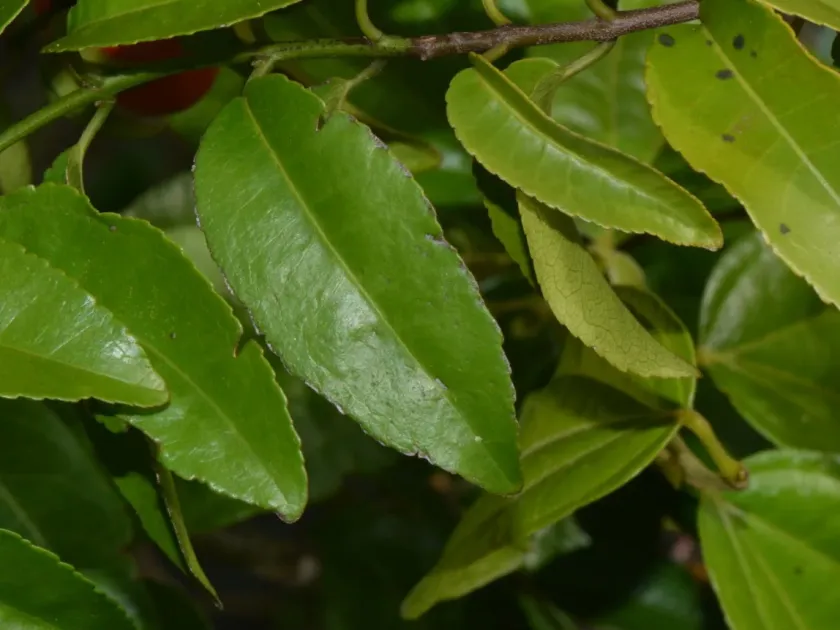
Description
Growing requirements
Salacia elegans is a woody climbing vine belonging to the Celastraceae family, native to the tropical forests of South America, particularly the Amazon basin.
The plant thrives in a tropical climate characterized by high humidity and consistent temperatures between 22 and 28 degrees Celsius throughout the year.
Optimal growth requires fertile, well-drained soils rich in organic matter to support the robust development of the vine's root system.
While shade-tolerant in its early stages of development, Salacia elegans requires dappled sunlight to reach its full potential and produce high-quality medicinal biomass.
In agricultural settings, maintaining stable soil moisture is crucial, especially during the establishment phase, as the plant is sensitive to prolonged drought.
Yield
The agricultural value of Salacia elegans lies primarily in its phytochemical properties, as its bark and roots are used for various health-promoting applications.
Yield estimation is based on the accumulation of specific compounds, including salacinol, which are highly valued in pharmaceutical research.
Production cycles typically span 3 to 5 years, requiring strategic management to maximize the concentration of secondary metabolites in the harvested tissues.
Yield optimization is achieved through careful spacing and the implementation of pruning techniques that stimulate vegetative growth and increase total plant mass.
The selection of productive genetic variants plays a significant role in improving the overall efficiency of Salacia cultivation.
Main diseases and pests
Common pests include scale insects and spider mites, which can cause significant damage to foliage and hinder the plant's overall vitality if left unmanaged.
Fungal diseases, such as anthracnose and various root rots, represent a major threat, particularly in environments with poor air circulation and excessive humidity.
Preventative measures are essential, as the medicinal nature of the crop limits the use of conventional chemical pesticides for pest and disease control.
Environmental stressors like deforestation and habitat fragmentation pose the greatest long-term threat to the survival of natural Salacia populations.
Effective management includes regular monitoring of plant health and the implementation of organic-based integrated pest management strategies.
Harvesting
Harvesting techniques involve the careful extraction of bark and roots, ensuring that the process is sustainable and allows the plant to continue growing.
Proper post-harvest handling is critical, involving gentle drying at temperatures below 40 degrees Celsius to prevent the degradation of bioactive constituents.
Timing the harvest is vital, as the concentration of secondary metabolites fluctuates throughout the year depending on the plant's physiological stages.
After harvesting, raw materials must be cleaned, sorted, and stored in dry, cool, and dark conditions to maintain their pharmacological integrity.
Standardized harvesting protocols are necessary to ensure the consistent quality of the final product for supply chains in the botanical supplement industry.