
Salacia chinensis
Salacia chinensis
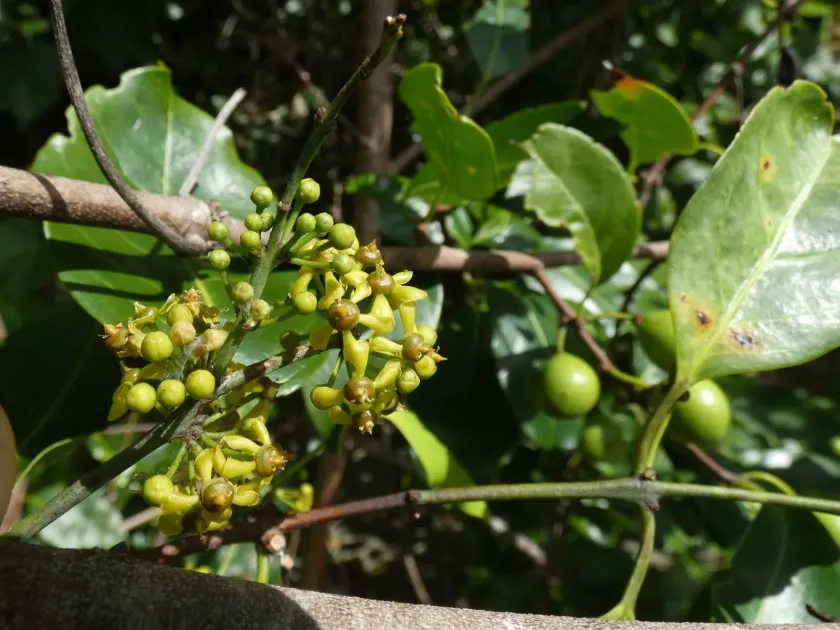
Description
Growing requirements
Salacia chinensis is a woody shrub belonging to the Celastraceae family, native to the tropical forests of South and Southeast Asia. It is highly regarded for its bioactive compounds, which play a significant role in traditional Ayurvedic and Chinese medicine.
The plant thrives in a tropical climate characterized by high humidity and consistent temperatures. It requires a location with bright, indirect sunlight, as intense midday sun can often cause scorch on the leaves, especially in younger, less established specimens.
Cultivation requires well-draining soil rich in organic matter. Achieving the right moisture balance is essential; the soil should remain consistently moist but never waterlogged to prevent root rot, which is a common issue for this species in heavy clay soils.
Agronomic management involves regular pruning to encourage bushy growth and improve air circulation. Fertilization with organic compost during the active growing season helps maintain plant vigor and ensures a higher concentration of beneficial compounds in the roots.
Its primary commercial use is the extraction of medicinal substances used to manage glycemic control and insulin resistance. As global interest in natural diabetes management grows, the demand for sustainably cultivated Salacia chinensis continues to rise.
Main diseases and pests
Common pests affecting Salacia chinensis include scale insects and spider mites, which thrive in environments where air circulation is poor or humidity levels drop significantly.
Fungal diseases, including leaf spot and various root pathogens, are frequently observed in poorly drained plantations. These infections can lead to significant yield losses if not identified early.
Integrated Pest Management (IPM) strategies, including the use of neem oil and beneficial predatory insects, are recommended for maintaining plant health without relying heavily on synthetic chemicals.
Cultural practices such as spacing plants adequately and ensuring proper drainage are the most effective ways to mitigate the risk of disease outbreaks in large-scale farming.
Routine scouting is vital to detect early signs of pest colonization, as these insects can multiply rapidly in tropical heat, causing significant damage to the plant's foliage and overall development.