
Salacia nitida
Salacia nitida
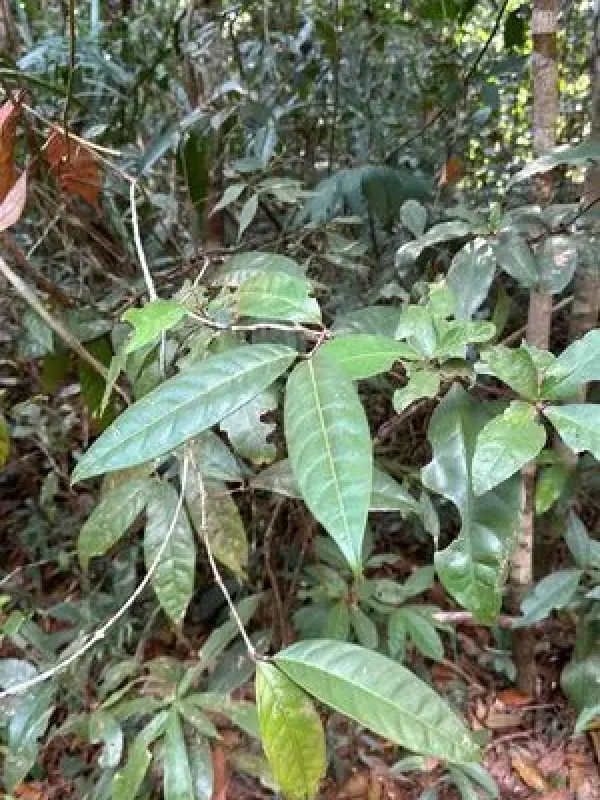
Description
Sowing dates
Propagation of this culture in its natural habitat occurs primarily through seeds or vegetative methods within tropical environments.
The optimal time for sowing begins with the onset of the rainy season, ensuring the seeds receive sufficient moisture for germination.
In research nurseries, seeds are sown in a nutrient-rich substrate with high humus content and excellent drainage characteristics.
A crucial factor is maintaining a constant soil temperature between 25 and 28 degrees Celsius to accelerate the activation of the embryo.
Transplanting seedlings to their permanent location is conducted only after the development of a robust root system and several pairs of true leaves.
Growing requirements
Salacia nitida belongs to the Celastraceae family and is an evergreen woody plant or vine, native to dense tropical forest regions.
The culture requires consistently high humidity and protection from sudden temperature fluctuations throughout the entire growing season.
Ideal soil conditions involve light, well-aerated media with a slightly acidic to neutral pH level, rich in organic matter.
Young plants are sensitive to intense direct sunlight, necessitating the use of partial shading during the initial stages of cultivation.
Regular irrigation is vital, as the plant reacts poorly to the drying of the root ball, which is a common challenge during dry spells.
Yield
Productivity is measured not only by total biomass but also by the concentration of specific secondary metabolites within the bark and roots.
Harvesting for medicinal purposes occurs during specific growth phases when the concentration of active compounds reaches its peak level.
Yield depends on planting density and the quality of maintenance, including the application of organic fertilizers during growth spurts.
Under appropriate management, the plant maintains stable vegetative growth for many years throughout its natural lifecycle.
The economic success of the crop relies on the quality of post-harvest processing, particularly the drying of raw plant fragments.
Main diseases and pests
The greatest threat to the crop comes from fungal infections that flourish in high-humidity conditions with poor airflow.
Various tropical insects pose a risk, as they can damage leaves and significantly reduce the photosynthetic capacity of the plant.
Root rot becomes a significant issue when irrigation is improperly managed or when plants are grown in heavy, poorly draining soils.
Preventative measures must include regular sanitary pruning and continuous monitoring for early signs of pest infestations.
Biological control methods are preferred over chemical pesticides to maintain the chemical purity required for medicinal applications.
Harvesting
The harvesting process involves the careful extraction of bark fragments or the digging of roots, followed by thorough cleaning.
It is essential to conduct harvesting during dry weather to prevent spoilage and the growth of mold during primary processing.
The collected material is subjected to shade drying in well-ventilated areas to ensure the preservation of bioactive compounds.
Long-term storage of the finished product requires strict control of humidity to prevent degradation and moisture absorption.
A sustainable harvest strategy allows for periodic extraction without compromising the long-term health and growth of the plant population.