
Salacia macrophylla
Salacia macrophylla
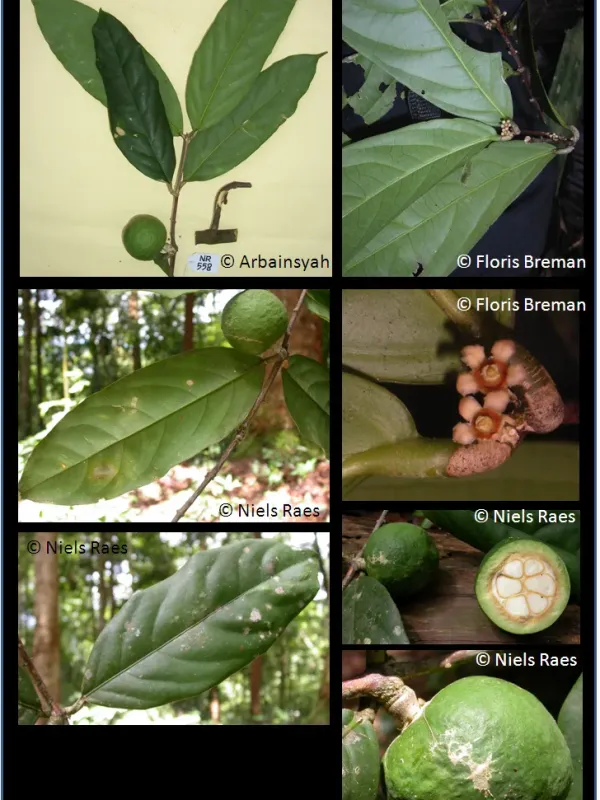
Description
Growing requirements
Salacia macrophylla is a prominent species within the Celastraceae family, appearing as a sturdy evergreen tree native to tropical forest ecosystems. It is widely recognized for its robust, broad leaves and its significant role in traditional Southeast Asian pharmacopeia.
Cultivation of this species requires a stable tropical climate characterized by high humidity and consistent warmth. It thrives in well-drained, nutrient-rich soils with high organic content, typically found in tropical rain forest environments where rainfall is abundant throughout the year.
Agricultural practices for this crop focus on creating a microclimate that mimics its native habitat. This includes adequate shade management for young plants and ensuring that the soil maintains a consistent moisture level without becoming waterlogged to prevent root system decay.
Botanically, Salacia macrophylla is characterized by its woody stems and thick, leathery leaves which are adapted to survive in low-light forest floors. The plant reaches reproductive maturity slowly, necessitating long-term planning for plantations intended for commercial harvest.
The primary utility of the plant lies in its therapeutic applications. Research indicates that the plant contains specific bioactive molecules useful in treating diabetes and metabolic syndrome, making it an increasingly important crop for medicinal cultivation projects worldwide.