
Sacciolepis polymorpha
Sacciolepis polymorpha
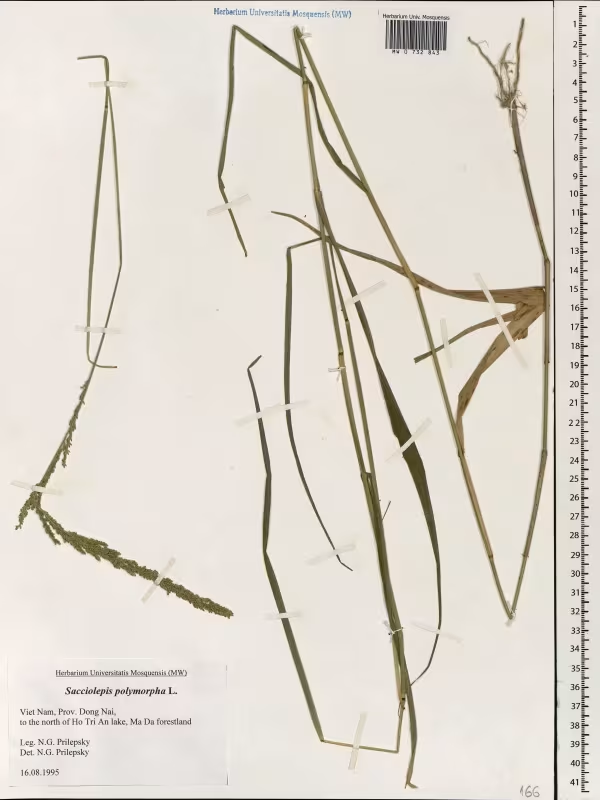
Description
Growing requirements
Sacciolepis polymorpha is a perennial grass species belonging to the Poaceae family. Originating from tropical and subtropical regions of Africa and Asia, it is well-adapted to environments with significant moisture levels.
Botanically, it is characterized by its adaptability to waterlogged habitats, such as swamps, marshes, and riverbanks. It develops a robust root system capable of stabilizing loose soils in high-moisture conditions.
The crop requires warm temperatures for active growth and is highly sensitive to cold, making it unsuitable for temperate agriculture without controlled environments. It thrives in soils that retain water well, showing resilience to seasonal flooding.
Standard agronomic requirements include choosing sites with high soil fertility. While it is tolerant of temporary saturation, it prefers well-drained but humid conditions to achieve maximum biomass production.
Maintenance involves ensuring that the plants are not overwhelmed by more vigorous weeds during the early establishment phase. Once established, the population density is usually sufficient to outcompete most common invaders.
Yield
The primary agricultural use of Sacciolepis polymorpha is as a source of forage for livestock in tropical and subtropical regions. It provides a reliable supply of green feed in areas where other grasses may struggle.
Yield productivity is tied to the consistency of soil moisture levels. In managed pastures, rotational grazing is recommended to ensure the plant maintains its vigor and produces high-quality biomass throughout the year.
Nutritional value is considered sufficient for maintenance rations of cattle and small ruminants, particularly in regions where diverse forage sources are limited. It serves as a staple component in natural pasture ecosystems.
Beyond forage, the plant is utilized for soil conservation and erosion control. Its ability to colonize damp soils helps in protecting riverbanks and drainage canals from degradation and surface erosion.
Future agricultural prospects involve selecting varieties with higher leaf-to-stem ratios to improve digestibility and feed efficiency, ensuring a more sustainable approach to pasture management.