
Sacciolepis indica
Sacciolepis indica
Description
Growing requirements
Sacciolepis indica, commonly known as Indian cupscale, is a grass species belonging to the Poaceae family. It is widely distributed across the tropical and subtropical regions of Asia, extending into Australia and parts of the Americas, where it thrives in moist environmental conditions.
This plant is primarily known for its adaptability to wet habitats, often appearing in rice paddies, along riverbanks, and in marshy depressions. It possesses a high tolerance for waterlogged soils, which distinguishes it from many other agricultural grass species that require well-drained substrates.
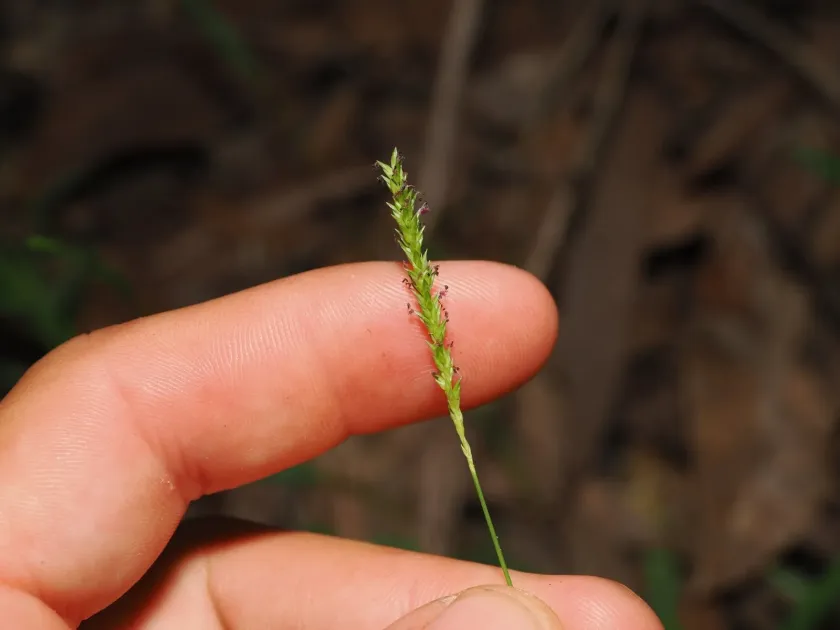
Botanically, the plant is characterized by slender, erect or spreading culms that can grow up to 60 cm in height. Its inflorescence is a distinct, dense, cylindrical panicle that can reach several centimeters in length, filled with tiny, closely packed spikelets.
Regarding cultivation requirements, Sacciolepis indica prefers fertile, moisture-retentive soils and a humid, warm climate. It performs best under full sunlight, although it can tolerate partial shading, provided that the soil moisture levels remain sufficient for continuous metabolic activity.
In terms of agricultural use, this species is utilized as a source of forage for livestock in its native range. While it may compete with cultivated crops in certain areas, its ability to provide forage in wetland environments makes it a valuable resource for low-input grazing systems.
Main diseases and pests
The primary agricultural threats to Sacciolepis indica involve fungal infections that flourish in high-humidity conditions. Diseases such as leaf spots and various blights are commonly observed when air circulation is poor, leading to significant foliage degradation during the growing season.
Pests that frequently infest this crop include various species of sap-sucking insects like aphids and leafhoppers. These insects weaken the plant's vitality and may transmit viral diseases, which can significantly reduce the overall forage quality and biomass yield per hectare.
Soil-borne pathogens and pests, such as larvae of certain beetles, can target the root systems, particularly in saturated soils. This damage can inhibit the plant's ability to absorb nutrients, leading to stunted growth and increased susceptibility to secondary infections.
Weed competition is a significant concern during the establishment phase. Because the species can be relatively slow to colonize initially, aggressive weeds can quickly overtop the young seedlings, depriving them of the necessary sunlight and space required for healthy development.
Effective management requires a proactive approach including field sanitation and the maintenance of optimal soil structure. Implementing integrated pest management strategies helps minimize chemical inputs while ensuring that the crop remains healthy and productive for animal consumption.