
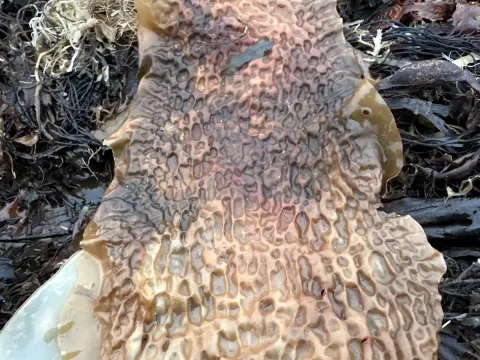
Kombu
Saccharina Stackhouse
Planting of Saccharina, known as Kombu, on marine farms begins during the autumn cooling period, when water temperatures reach the optimal range for spore germination.
What the section contains

Kombu
In its natural habitat, the life cycle starts with zoospores anchoring to a substrate, but in industrial mariculture, growers utilize prepared ropes to hold the developing seedlings.
The optimal timing for seeding depends on regional climate conditions, with the process typically occurring during the autumn-winter season to ensure initial plant adaptation.
A critical stage involves managing the density of spores on the planting ropes to prevent overcrowding, which could lead to competition for nutrients and stunted growth.
Artificial cultivation requires constant monitoring of substrate cleanliness to prevent excessive biofouling by other algae species or mollusks that compete for space.
Kombu belongs to the Laminariaceae family and represents a large brown alga that prefers cold, nutrient-rich marine waters for optimal physiological development.
The crop is highly sensitive to light intensity and water salinity, which restricts productive farming to coastal zones with specific hydrological characteristics.
The temperature range conducive to active growth is between 5 and 15 degrees Celsius; growth slows significantly if temperatures exceed these critical thresholds.
Successful farming requires flowing water to ensure a constant supply of essential nutrients like nitrogen and phosphorus, which are vital for thallus development.
Farm depth is calculated based on water transparency to ensure adequate photosynthesis is maintained throughout the entire light cycle of the day.
Kombu yield is measured by the wet weight of raw material per meter of rope and depends heavily on photosynthetic activity and water mineral content.
When all agronomic practices are strictly followed, the farms can produce high biomass yields, making mariculture a highly profitable industry.
Factors influencing final production include seasonal temperature fluctuations, ocean currents, and the absence of anthropogenic pollution in the area.
Increased output is achieved through the selection of fast-growing strains adapted to the specific conditions of localized marine farming sites.
Systematic harvesting is necessary as overgrown plants lose their flavor profile and aesthetic quality, rendering them unsuitable for high-end food markets.
The primary threats to this crop include specific algal diseases caused by pathogenic bacteria and fungal infections affecting the thallus tissue.
Pests, such as sea urchins and certain mollusk species, can destroy large portions of the crop in a short timeframe by grazing on the young blades.
Climate change, leading to anomalous water warming, often triggers premature tissue decay and reduces the overall resistance of the plants to various diseases.
Pollution of marine waters by industrial waste and oil products negatively impacts the chemical composition of the seaweed, making it unfit for human consumption.
Competition from wild seaweed species and the growth of epiphytic flora on the ropes limit the light and nutrients available to the main crop.
Kombu harvesting is typically conducted in late spring or early summer when the plants reach their peak vegetative mass and contain the highest level of nutrients.
The harvesting process is mechanized: rope systems are lifted onto vessels where the seaweed is carefully cut, cleaned of debris, and sorted for processing.
Post-harvest logistics are crucial; rapid transport to processing facilities prevents fermentation and maintains the quality of this valuable biological product.
Initial processing often involves sun-drying or mechanical dehydration, which helps preserve the bioactive components and essential culinary qualities.
The final product is widely used in cooking, pharmaceuticals, and the cosmetics industry, serving as a significant source of iodine and various alginates.