
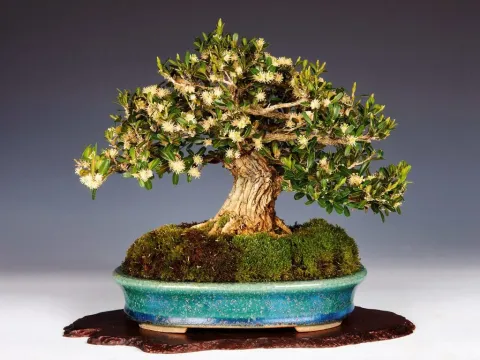
Sabia
Sabia
The genus Sabia belongs to the family Sabiaceae and encompasses a group of woody vines and shrubs. These plants are primarily native to the tropical and subtropical regions of Asia, ranging from the Himalayas to Japan.
What the section contains


Sabia
Successful cultivation of Sabia requires conditions that mimic its natural habitat. The plants thrive in partial shade and need protection from harsh, direct sunlight that can scorch the foliage.
Soil requirements focus on high organic content and excellent drainage. The substrate should be maintained at a slightly acidic to neutral pH level to ensure optimal nutrient uptake.
Climate needs include stable, warm temperatures and consistent air humidity. These plants are sensitive to frost and require sheltered positions if cultivated in regions with cool winter climates.
Regular maintenance involves light pruning to manage the vigorous growth of the vines and the application of mulch to conserve moisture and protect the roots from extreme temperature fluctuations.
While Sabia species are not typically subject to industrial agricultural standards, they face specific risks common to tropical climbers kept in cultivated settings.
Spider mites are the most prevalent pests, often appearing when the surrounding air becomes too dry, particularly in indoor or greenhouse environments.
Fungal issues, including leaf spots and root rot, are usually indicators of poor drainage or inadequate air circulation around the canopy of the plant.
Scale insects may colonize the woody stems of the vines, weakening the plant by extracting sap and potentially leading to stunted growth if left untreated.
Integrated pest management, including regular inspection and proper cultural practices, is the most effective way to maintain the health and vigor of these specimens.