
Sabia japonica
Sabia japonica
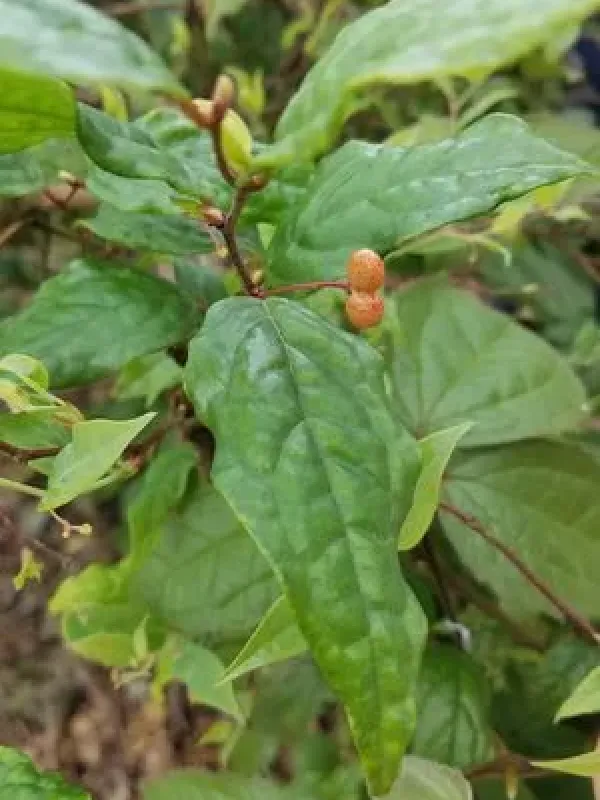
Description
Growing requirements
Sabia japonica is a woody vine species belonging to the Sabiaceae family, native to East Asian regions including Japan and China. It is primarily known for its adaptability in woodland environments, where it climbs over trees and shrubs using its flexible, vigorous stems.
Botanically, this species is defined by its alternate, simple leaves and small, discrete flowers that typically bloom in spring. The plant's structure allows it to thrive in shaded or semi-shaded areas, making it a distinct choice for specific landscape design projects requiring vertical coverage.
Regarding soil requirements, Sabia japonica prefers well-drained, nutrient-rich soils with a slightly acidic to neutral pH. It is essential to ensure that the planting site has excellent drainage, as the roots are particularly prone to rot if exposed to waterlogged conditions for extended periods.
The climate requirements for this plant are centered on moderate temperature ranges and high atmospheric humidity. It performs best in regions where the climate is temperate, avoiding extreme heat or dry, scorching winds which can cause leaf scorch and dehydration of the vines.
In terms of agricultural and horticultural use, the primary value of Sabia japonica is aesthetic. It is frequently employed in specialized garden settings to add structural interest to walls, trellises, or naturalistic forest-style garden beds due to its graceful habit.
Main diseases and pests
The main threats to the health of Sabia japonica include various fungal pathogens that can develop during periods of high humidity and poor ventilation. Maintaining adequate space between plants and avoiding overhead irrigation can significantly reduce the risk of such diseases.
Common pests that may affect this plant include aphids and scale insects, which often target the tender new growth. Integrated pest management strategies, such as physical removal or the application of horticultural soaps, are recommended to maintain plant vigor throughout the growing season.