
Rotala ramosior
Rotala ramosior
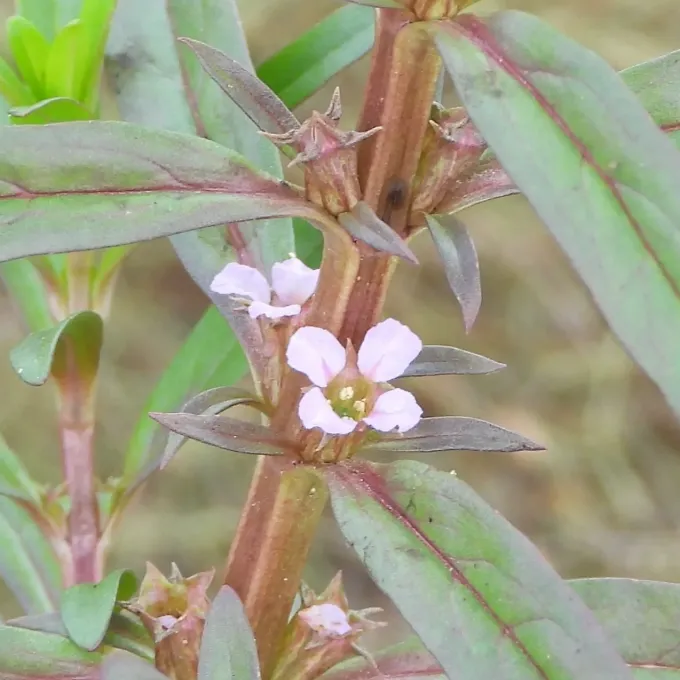
Description
Sowing dates
Rotala ramosior is typically propagated through stem cuttings in an aquarium environment. To ensure successful reproduction, healthy stem sections measuring at least 5 centimeters should be chosen. These cuttings are then carefully inserted into a nutrient-rich substrate to initiate new root development.
For emersed cultivation, seeds can be sown in peat-based substrates under high humidity conditions. Maintaining a consistent temperature of approximately 25-27 degrees Celsius is crucial during the germination phase to ensure a high success rate for seedling establishment.
When selecting cuttings, it is important to remove any damaged leaves from the base of the stem. This practice prevents the organic decay of plant matter, which can introduce harmful bacteria into the substrate and hinder the plant's ability to anchor itself effectively.
Optimal timing for propagation is during the peak growing season when light intensity is sufficient to support rapid metabolism. Proper spacing between newly planted cuttings allows for adequate light penetration, which is vital for preventing the lower sections of the stems from dying back.
Once the root system has developed, regular trimming is recommended to encourage bushier growth. This technique not only maintains the aesthetic shape of the plant but also promotes the circulation of nutrients within the aquatic ecosystem, keeping the culture vigorous.
Growing requirements
Belonging to the Lythraceae family, Rotala ramosior is an aquatic plant that demands specific environmental conditions to thrive. High-intensity lighting is non-negotiable for this species, as it requires strong light to maintain its characteristic vibrant color and compact growth habit.
Carbon dioxide (CO2) injection is a fundamental requirement for the healthy cultivation of this plant. Without adequate CO2 levels, the plant will struggle to photosynthesize efficiently, leading to stunted growth and a significant loss of its distinct reddish-purple pigmentation.
Water quality parameters play a vital role in plant health. The ideal environment consists of soft to moderately hard water with a slightly acidic pH range between 6.0 and 7.0. Fluctuations in these parameters can cause the plant to drop its leaves or experience tissue decay.
A temperature range of 22 to 28 degrees Celsius is preferred for maintaining active metabolic rates. Exposure to temperatures above 30 degrees Celsius can cause heat stress, resulting in the softening of tissues and potential collapse of the plant's structural integrity.
A nutrient-dense substrate is highly beneficial, as the plant draws significant nourishment through its root system. Supplementing the substrate with iron-rich root tabs ensures that the plant has access to essential micronutrients, which are often depleted in standard aquatic environments.
Main diseases and pests
The most common threat to Rotala ramosior is the competition from various algae species. If the balance between light, CO2, and liquid fertilizers is disrupted, filamentous or film algae can rapidly overwhelm the plant, blocking essential light absorption and inhibiting growth.
Nutrient deficiencies, particularly regarding nitrogen and iron, are frequent causes of chlorosis. This condition presents as yellowing or whitening of the new leaves, which indicates a failure in chlorophyll production and requires immediate adjustment of the fertilization regimen.
Pests are rarely an issue in properly maintained aquarium systems, but they can become problematic in humid greenhouses. Aphids and spider mites are the primary threats in terrestrial stages, and they should be managed using gentle, biological control methods.
Root rot and stem decay are common issues caused by poor water circulation or the buildup of anaerobic conditions within the substrate. Ensuring that the substrate remains porous and that water movement around the base of the plant is adequate helps prevent these fungal problems.
Improper fertilization, especially overdosing, can lead to twisted stems and distorted leaf growth. Careful monitoring of nutrient levels via regular testing is essential to maintain the delicate chemical balance required for the optimal development of this sensitive species.