
Rotala filiformis
Rotala filiformis
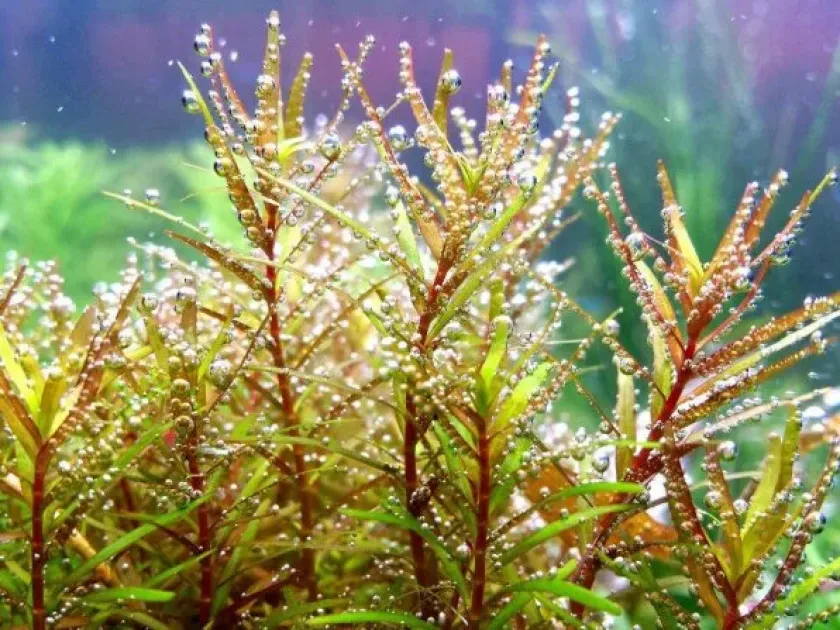
Description
Sowing dates
Rotala filiformis belongs to the Lythraceae family, a group of plants often found in wetland habitats. Its origins trace back to the tropical regions of Southeast Asia, where it thrives along riverbanks and in swampy ecosystems.
In agricultural practice, this plant is primarily propagated through stem cuttings. This vegetative method ensures that the genetic properties of the parent plant are preserved while allowing for rapid biomass accumulation.
The cultivation cycle is most productive during the warmer months when light intensity is highest. Proper nursery management involves selecting healthy shoots with developed nodes to ensure high survival rates after transplantation.
For optimal growth, planting should occur in nutrient-rich substrates that mimic natural floodplains. Establishing a stable root system early in the development phase is critical for the long-term vigor of the crop.
Large-scale production requires efficient spacing to prevent overcrowding. Proper aeration of the substrate and water column is necessary to support the physiological processes during the intensive growth stages.
Growing requirements
High-intensity lighting is non-negotiable for Rotala filiformis. It requires a balanced light spectrum to maintain its characteristic structure and vibrant coloration, preventing the etiolation that occurs in low-light environments.
The soil or substrate must maintain a slightly acidic to neutral pH. Providing access to macro- and micronutrients is essential, especially iron, which acts as a catalyst for healthy foliage development.
Temperature control is vital, with a preferred range between 22 and 28 degrees Celsius. Sustaining these parameters ensures consistent metabolic rates and helps the plant recover quickly from maintenance operations.
Carbon dioxide supplementation is crucial for maximizing photosynthetic efficiency. A consistent supply of CO2 allows the plant to reach its full potential in both size and density of the leaves.
Water quality parameters, including carbonate hardness and total alkalinity, should be monitored closely. Frequent water exchanges help maintain a healthy equilibrium, preventing the buildup of inhibiting substances.
Main diseases and pests
Algal blooms pose a significant threat to Rotala filiformis by competing for nutrients and light. Implementing a strict nutrient management plan is the best defense against invasive algae species.
Fungal infections frequently occur when the plant is stressed by poor environmental conditions or physical damage. Ensuring stable temperature and hygiene in the growing environment is the primary preventative measure.
Certain aquatic snails can cause mechanical damage, which opens pathways for bacterial pathogens. Implementing integrated pest management helps keep populations of such invertebrates under control.
Nutrient deficiencies, particularly potassium or trace mineral shortages, lead to tissue degradation and necrosis. Regular testing of the nutrient solution allows for precise fertilization adjustments.
Root rot, caused by poor substrate circulation or stagnant conditions, can rapidly destroy an entire crop. Maintaining substrate permeability and avoiding over-densification are essential for avoiding these losses.