
Rotala diversifolia
Rotala diversifolia
Description
Growing requirements
Rotala diversifolia is a perennial plant species belonging to the Lythraceae family. Originating from the tropical wetlands of Asia, this plant has adapted to thrive in nutrient-rich, moist substrates, making it a staple in advanced freshwater aquascaping and specialized botanical collections.
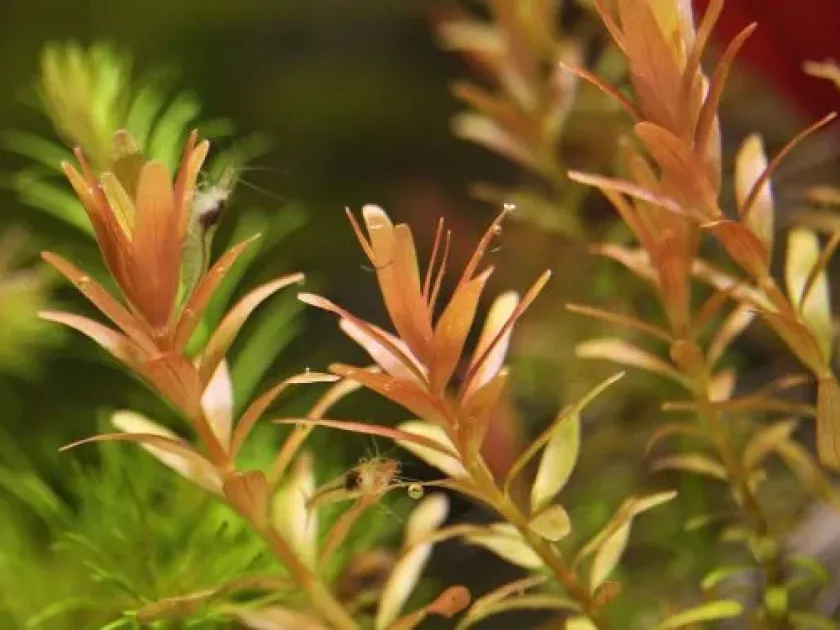
The plant is distinguished by its morphological plasticity, which allows its leaves to shift in size and color depending on the environment. It typically features a creeping or upright stem growth pattern, with leaf nodes densely packed, creating a lush, bushy appearance in a healthy ecosystem.
Successful cultivation requires a strict management of environmental factors, primarily high-intensity lighting and CO2 injection. These elements are essential for the metabolic processes that allow the plant to maintain its signature reddish hue and vigorous growth rates throughout the season.
Soil requirements for Rotala diversifolia include a nutrient-dense, slightly acidic substrate. Regular fertilization of the water column is necessary to prevent nutrient deficiencies, specifically focusing on iron, potassium, and magnesium, which are vital for foliage development.
In terms of agricultural and horticultural use, this species is mainly utilized in the ornamental water plant industry. It serves as a focal point in nature-style aquarium layouts due to its ability to be pruned and shaped into various forms, providing structure to the underwater environment.
Main diseases and pests
Primary threats to the species involve competition with invasive algae species, which can thrive in high-light, high-nutrient conditions. Excessive growth of these algae can suffocate the Rotala by blocking necessary light and nutrient uptake.
Common health issues include stem rot caused by substrate compaction and lack of water flow around the root system. Additionally, pests such as snails or small crustaceans can cause mechanical damage to the thin leaf structures, necessitating careful integrated pest management.