
Rotala mexicana
Rotala mexicana
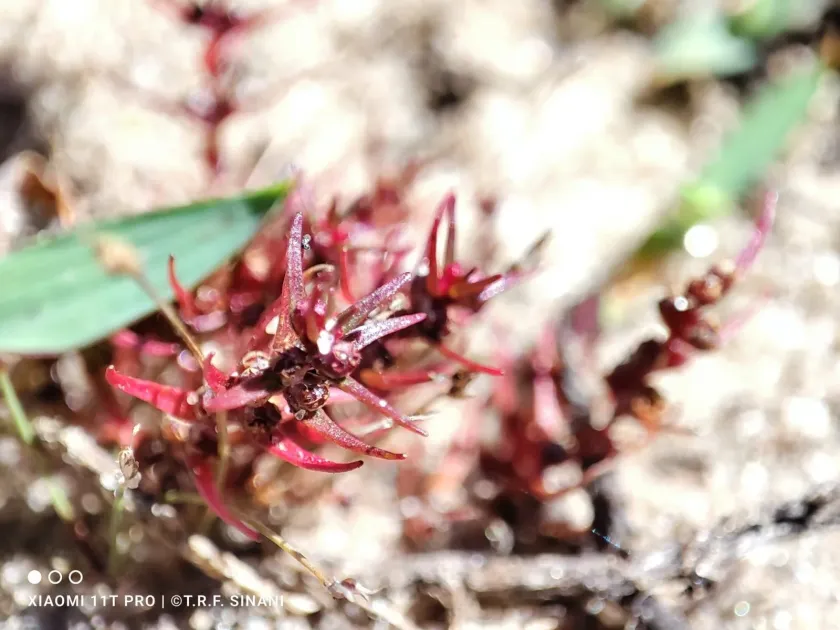
Description
Growing requirements
Rotala mexicana is a delicate aquatic or semi-aquatic plant belonging to the Lythraceae family. It is widely distributed across tropical regions in the Americas, Africa, and Asia, often found in shallow, stagnant, or slow-moving waters.
This species requires high light intensity to maintain its characteristic growth habit and vibrant coloration. If the light is insufficient, the stems will become leggy, and the leaves will lose their density, ultimately leading to a decline in plant health.
The optimal water temperature for Rotala mexicana ranges between 22 and 28 degrees Celsius. Stability in water parameters is essential, as sudden fluctuations can induce stress and cause the plant to shed its leaves prematurely.
A nutrient-rich substrate is vital for this species, as it absorbs many of its nutrients through its root system. Supplementing the water column with liquid fertilizers and CO2 injection is highly recommended for accelerated growth.
Regular maintenance, including selective pruning, is necessary to encourage lateral branching and prevent the colony from becoming too dense, which can shade out the lower parts of the plant and restrict water flow.
Main diseases and pests
The primary threat to Rotala mexicana is the rapid proliferation of algae. Because the plant has a relatively slow initial growth rate, it is easily outcompeted by filamentous or brush algae if the nutrient balance is not carefully maintained.
Iron deficiency is a common physiological issue that manifests as chlorosis, where the leaves turn pale or yellow. Providing a consistent iron supplement is critical for maintaining the plant's health and aesthetic appeal.
Certain species of invertebrates, such as snails or crustaceans, may graze on the soft tissues of the stems, causing structural damage that weakens the plant and makes it more susceptible to opportunistic pathogens.
Bacterial decay is often triggered by poor water circulation or the accumulation of organic debris around the roots. This leads to the rotting of the lower stem segments and the eventual collapse of the entire shoot.
Sudden changes in pH or water hardness can cause the plant to melt, a common phenomenon in delicate aquatic species. Ensuring gradual adjustments and stable chemistry is the best defense against this physiological response.