
Rotala indica
Rotala indica
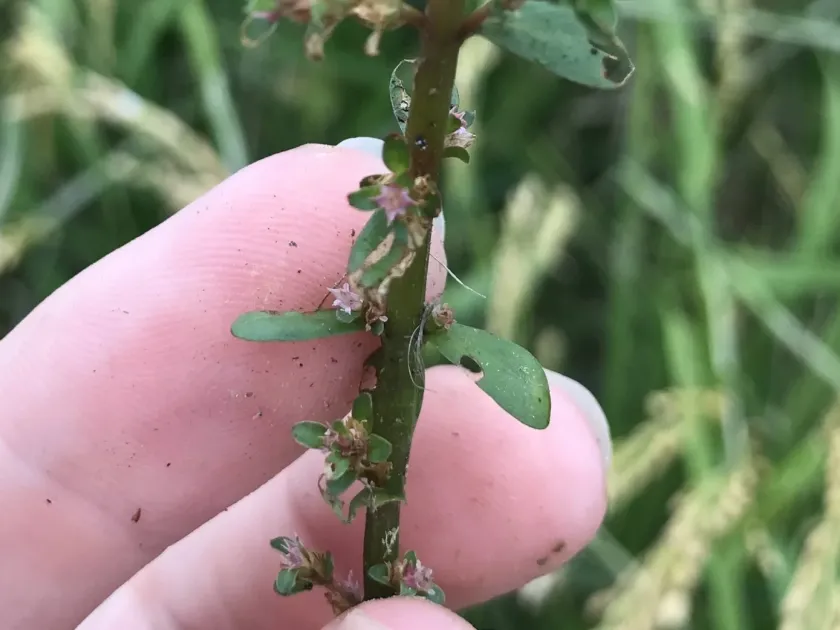
Description
Growing requirements
Rotala indica is a prominent species within the Lythraceae family, known for its delicate aesthetic and rapid growth habits. Originating from Southeast Asia, this plant is naturally found in wetlands, paddy fields, and riverbanks, where it thrives in saturated soils and shallow aquatic environments.
Light availability is the primary driver of development for Rotala indica. High-intensity lighting is essential to prevent etiolation, where the plant grows weak and leggy in an attempt to reach a light source. To maintain compact growth and vibrant leaf coloration, provide at least 10–12 hours of consistent, high-quality light daily.
Water chemistry must be carefully managed to suit the requirements of this species. Rotala indica grows best in soft to medium-hard water with a slightly acidic to neutral pH. Maintaining these parameters ensures that essential minerals are readily available for plant uptake, preventing nutrient deficiencies and promoting healthy shoot elongation.
Temperature stability is critical for metabolic efficiency in aquatic plants. Rotala indica performs optimally between 22°C and 28°C. While it is somewhat adaptable, avoiding rapid thermal fluctuations is necessary to prevent stress, which can lead to leaf drop and stunted growth during the transition phases of its life cycle.
A nutrient-rich substrate is vital for successful cultivation. The root system is relatively shallow but sensitive, requiring a fine-grained, fertile substrate that allows for easy nutrient absorption. Incorporating iron-rich supplements into the substrate significantly enhances the coloration of the foliage and supports robust development.
Main diseases and pests
Algal competition poses a significant threat to Rotala indica, particularly in high-nutrient environments where nitrate and phosphate levels are not balanced. Filamentous algae can rapidly overtake the stems, blocking light and stifling the gas exchange necessary for the plant’s survival.
Snails and other gastropods are common pests that may feed on the soft, fleshy leaves of the plant. While they are often present in aquatic ecosystems, uncontrolled populations can lead to severe mechanical damage, leaving the plant vulnerable to secondary bacterial and fungal infections.
Bacterial stem rot is a common issue when organic waste accumulates in the substrate. If the water flow is stagnant around the base of the plant, toxic compounds can build up, leading to the rapid decay of the stems. Proper water circulation and substrate maintenance are essential to mitigate this risk.
Chlorosis, manifesting as yellowing leaves, is a common deficiency disorder caused by an lack of available iron or magnesium. Without sufficient micronutrients, the plant's ability to produce chlorophyll is hampered, leading to a general decline in health and increased susceptibility to opportunistic diseases.
Overcrowding within a planting zone can lead to poor vitality due to limited nutrient distribution. As stems grow dense, the lower foliage often suffers from lack of light and circulation, leading to decay. Regular pruning and spacing are necessary to ensure that the entire plant colony remains healthy and disease-free.