
Isopogon formosus
Isopogon formosus R. Br.
Description
Sowing dates
Propagation of Isopogon formosus is typically achieved through seeds or stem cuttings, requiring a specialized low-nutrient, high-drainage sandy substrate.
Seeds should be sown in early spring, ensuring a consistent temperature between 18 and 22 degrees Celsius to facilitate uniform germination rates across the batch.
It is common practice to treat seeds with a light smoke or heat treatment to emulate the natural fire-stimulated germination cycles found in their native Western Australian environment.
Seedlings should be moved to larger containers as soon as they develop their first set of true leaves to prevent overcrowding and to promote sturdy root development.
Maintaining high hygiene standards during the sowing process is vital to protect young, vulnerable plants from soil-borne pathogens and damping-off diseases.
Growing requirements
Isopogon formosus, a member of the Proteaceae family, thrives in well-drained, acidic, and nutrient-poor soils that mimic the natural sandy plains of its origin.
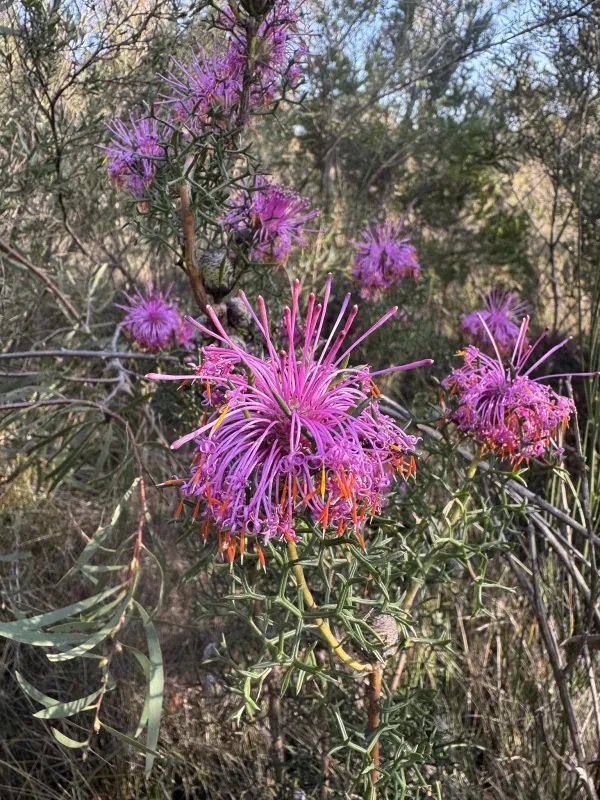
The plant requires full sun exposure to produce its signature vibrant, drumstick-like flower heads and to maintain strong, upright stem growth throughout the season.
Care must be taken with fertilization, as the species is highly sensitive to phosphorus; standard commercial fertilizers can be lethal to the plant's root system.
Optimal growth is achieved in climates with cool to mild winters and warm, dry summers, avoiding excessive humidity which can lead to fungal infections.
Proper air circulation is necessary for the plant's health, particularly in greenhouse cultivation, to prevent the buildup of moisture and the growth of mold on the foliage.
Main diseases and pests
The primary threats to this crop include root rot pathogens, specifically Phytophthora species, which thrive in poorly drained soils and excessive moisture conditions.
Fungal leaf spots can occur when air circulation is inadequate, leading to disfigurement of the foliage and a decrease in the overall market value of the plant.
Sucking insects such as aphids or scale may occasionally infest the plants, requiring targeted biological or chemical control methods to protect the aesthetic quality.
Weed competition is a significant threat during the early stages of growth, as the plant cannot compete for resources in nutrient-rich or overcrowded soil environments.
Environmental stress, particularly sudden frost or waterlogging, remains the most frequent cause of crop failure, necessitating precise climate and irrigation management.
Harvesting
Harvesting is performed by selecting mature flower heads that have reached their full color intensity, ensuring the stems are cut at the appropriate length.
Clean, sterilized cutting tools are essential to prevent the spread of diseases from plant to plant during the harvesting operations in the field or greenhouse.
Post-harvest handling involves placing the stems in clean, cool water to rehydrate the tissues and maintain the structural integrity of the flowers during storage.
The harvested product is sorted and bunched based on flower size and stem quality to meet the strict standards required for the floral design and export markets.
Cold chain management is critical, with the product being moved to a cool, ventilated area immediately after harvesting to ensure longevity and visual appeal.