
Isopogon anemonifolius
Isopogon anemonifolius (Salisb.) Knight
Description
Growing requirements
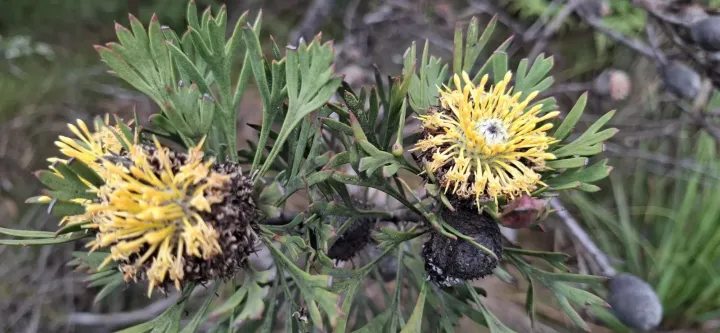
Isopogon anemonifolius, commonly known as broad-leaf drumsticks, belongs to the Proteaceae family. Native to the sandstone areas of New South Wales in Australia, this evergreen shrub is highly valued for its striking, anemone-like foliage and unique yellow cone-shaped flower heads.
This species requires very specific soil conditions, thriving in acidic, well-draining sandy soils. It is intolerant of heavy, waterlogged clay soils, which can lead to rapid root decay. Excellent drainage is the primary prerequisite for its successful cultivation.
Regarding light, this plant prefers a full sun position, although it can tolerate partial shade in hotter climates. Adequate exposure to sunlight is essential for stimulating flower production and maintaining the compact growth habit of the shrub.
Agricultural management must account for the plant's sensitivity to phosphorus. Because Proteaceae have evolved to absorb nutrients from nutrient-poor soils, applying standard high-phosphorus fertilizers can be toxic, leading to severe leaf chlorosis and plant decline.
The main commercial application for Isopogon anemonifolius is the floriculture industry. It is grown for its long-lasting, attractive floral stems, which serve as excellent material for fresh bouquets and dried floral arrangements in international markets.
Main diseases and pests
The most significant threat to Isopogon anemonifolius is Phytophthora root rot. This soil-borne pathogen thrives in warm, moist conditions and is frequently fatal to plants in the Proteaceae family that lack proper drainage.
Insect pests, including aphids and scale insects, often infest the new growth. While these pests rarely kill the plant outright, they can severely stunt its development and compromise the aesthetic quality required for commercial flower harvesting.
Spider mites are another common pest, particularly in greenhouses or areas with low humidity. Infestations lead to discolored foliage and a general reduction in plant vigor, necessitating targeted acaricide treatments.
Environmental stress, such as waterlogging during the cooler months, often mimics disease symptoms. Ensuring that the soil remains aerated is the most effective biological defense against various soil-borne infections.
To mitigate disease risks, growers should prioritize site selection and avoid over-fertilization. Careful monitoring for signs of wilt and regular pruning to improve airflow within the canopy are standard protocols for healthy plantation management.