
Isopogon latifolius
Isopogon latifolius R. Br.
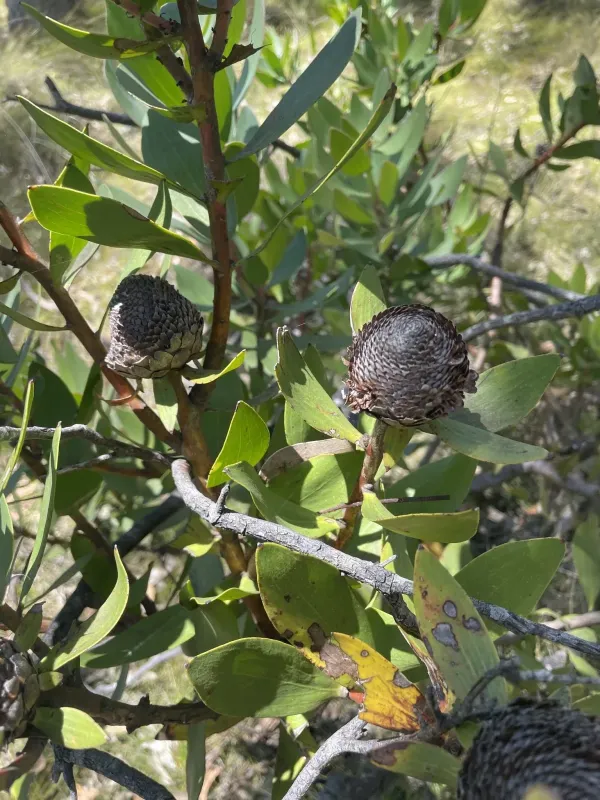
Description
Growing requirements
Isopogon latifolius is a distinctive evergreen shrub species belonging to the Proteaceae family. It is endemic to the south-western region of Western Australia, thriving in environments characterized by sandy soils and warm, temperate Mediterranean-like climate patterns.
The plant exhibits specific botanical traits, including tough, leathery foliage and iconic cone-shaped flower heads. These floral structures are highly prized in the commercial cut flower industry due to their structural durability and unique aesthetic appeal in professional floral arrangements.
In terms of cultivation, this species demands well-drained, nutrient-poor soil. It is particularly sensitive to high levels of phosphorus; therefore, fertilizer applications must be carefully monitored or avoided entirely to prevent root damage and plant physiological stress.
Climate requirements involve consistent light exposure and protection from freezing temperatures. In agricultural settings, it is best suited for greenhouse production or outdoor cultivation in mild climates where winter frost is non-existent, ensuring stable soil aeration.
A successful agrotechnical strategy focuses on precise water management. The plant does not tolerate waterlogging, which necessitates the use of high-quality, porous growing media to facilitate rapid drainage and prevent oxygen depletion in the rhizosphere.
Main diseases and pests
The primary pathological threat to Isopogon latifolius is the root rot caused by Phytophthora species. This fungus thrives in moist, poorly aerated conditions, making soil hygiene and drainage infrastructure the most critical defensive measures against infection.
Occasional infestations of sap-sucking pests, such as aphids or scale insects, may occur in indoor production facilities. Integrated Pest Management (IPM) practices, emphasizing biological control and moderate humidity levels, are recommended to maintain plant vigor without stressing the sensitive root system.