
Richardia scabra
Richardia scabra
Description
Growing requirements
Richardia scabra, commonly known as Florida pusley, is an annual herbaceous plant belonging to the Rubiaceae family. In agriculture, it is recognized as a significant weed that competes with field crops for water, light, and essential soil nutrients, often hindering crop development.
Originating from the tropical and subtropical regions of the Americas, this weed has expanded its range globally. It thrives in warm climates and is frequently found in agricultural landscapes, roadsides, and disturbed soils. It is particularly problematic in crops like soybeans, cotton, and maize.
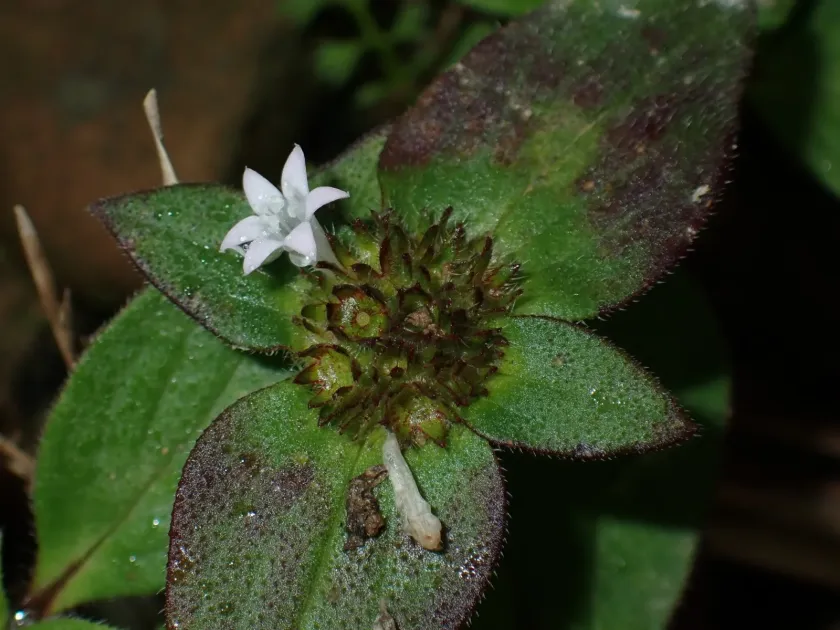
The plant is characterized by its prostrate or ascending stems, which are covered in rough, stiff hairs, providing a distinct texture. Its leaves are opposite, elliptic to ovate in shape, and the white to light pink flowers are clustered in terminal heads that give the plant a recognizable look.
Regarding soil and climatic requirements, Richardia scabra is highly adaptive. It prefers well-drained, sandy, or loamy soils and requires sufficient sunlight for vigorous growth. It is highly resistant to drought once established, which allows it to persist even during dry summer spells.
Agronomic management is crucial because the plant can set seed multiple times throughout the growing season. Preventing the weed from reaching the flowering stage is key to effective population control, as the seeds have a long dormancy period in the soil bank.
Main diseases and pests
This weed acts as a significant threat to agriculture by serving as an alternate host for various plant-parasitic nematodes and viral diseases. These pathogens can easily migrate from the weed to cash crops, leading to reduced plant vigor and lower yields.
Richardia scabra is also known for its competitive nature, as it can form dense mats that physically prevent crop seedlings from accessing sunlight during the critical early growth stages. This interference can result in stunted growth and uneven crop stands.
Pest management is further complicated by the weed's potential to harbor harmful insects, such as aphids, which feed on both the weed and the crop. Controlling the population of Richardia scabra is therefore essential for maintaining overall field hygiene.
Chemical control often involves the use of pre-emergent and post-emergent herbicides. However, because some populations have shown signs of resistance to common herbicide groups, integrated weed management (IWM) programs are highly recommended for sustainable success.
Integrated strategies should combine mechanical cultivation, such as inter-row hoeing, with crop rotation practices. Ensuring that the main crop is sown at an optimal density helps create a canopy that suppresses the light-dependent germination of new weed seeds.