
Richardia grandiflora
Richardia grandiflora
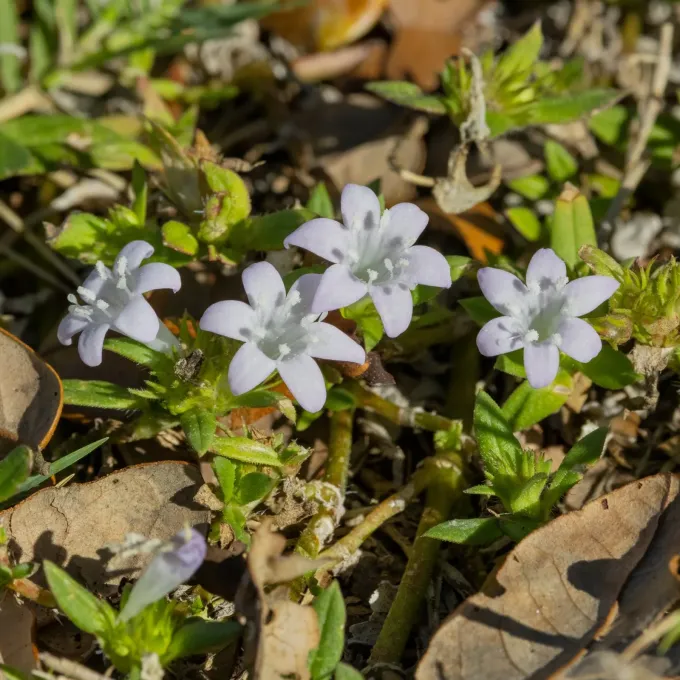
Description
Growing requirements
Richardia grandiflora is a herbaceous plant belonging to the Rubiaceae family. It is a thermophilic crop that requires intense sunlight for healthy vegetative development and the production of its signature large flowers.
The crop thrives in loose, well-drained soils, preferably sandy or loamy textures. Proper soil aeration is critical, as the root system of Richardia grandiflora is highly susceptible to rot if water is allowed to stagnate in the substrate.
Temperature management is crucial; the plant prefers a range between 20°C and 28°C. It is extremely sensitive to frost and sudden temperature drops, which often necessitates treating it as an annual crop in temperate climate zones.
Originating from the tropical regions of South America, the plant is well-adapted to warm, humid environments. In landscape gardening, it is used for its dense growth habit, acting as an effective ground cover when planted in sufficient quantities.
Agricultural techniques focus on maintaining soil moisture levels through regular but moderate irrigation. Fertilization should be balanced to promote foliage growth without compromising the plant's structural integrity or flowering capacity.
Main diseases and pests
Common threats to Richardia grandiflora include various fungal diseases, primarily triggered by over-irrigation and poor air circulation around the plants. Root rot and powdery mildew are the most frequent issues faced by growers.
Pest pressure is mainly exerted by aphids and spider mites, which feed on the sap of tender young leaves and stems. These pests can rapidly proliferate, especially during periods of dry weather or under greenhouse conditions.
Effective pest management involves early detection and the use of systemic insecticides or biological control agents. Maintaining proper plant spacing is essential to ensure adequate airflow and reduce the humidity levels that favor fungal growth.
Cultural control methods such as weeding and removing debris are vital for preventing the build-up of infection sources. Healthy plants are generally more resilient, so providing optimal light and nutrients is a form of proactive defense.
Fungicides should be applied strictly when necessary, following local regulations and the product label guidelines. Always rotate chemical applications to prevent the development of resistant strains of pathogens or pests.