
Riccardia multifida
Riccardia multifida
Description
Growing requirements
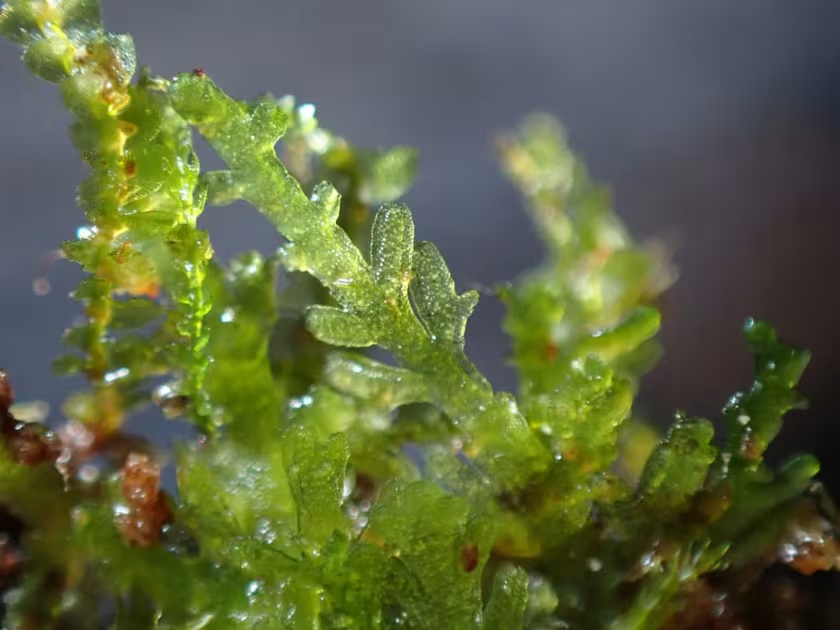
Riccardia multifida is a distinct liverwort species belonging to the Aneuraceae family. It is characterized by its thalloid structure, which branches repeatedly to form dense, cushion-like mats of a vibrant deep green or emerald hue.
The natural range of this species covers the temperate and subtropical regions of the Northern Hemisphere. It thrives in high-humidity environments, typically found along riverbanks, moist marshlands, and on decaying wood where hydration is constant.
To successfully cultivate this moss, moderate light levels are essential. Excessive light exposure can promote the growth of nuisance algae, which can easily overwhelm the delicate thallus, while insufficient light leads to discoloration and stunted growth.
The optimal temperature range for active vegetative development is between 18 and 24 degrees Celsius. The culture is highly sensitive to water purity, requiring stable pH levels and clean, oxygenated water to prevent the breakdown of the plant tissue.
The ideal substrate for attachment includes porous lava rock or driftwood. Given stable conditions, the plant uses its rhizoids to anchor securely, eventually creating a lush carpet that serves as a cornerstone for decorative aquatic and paludarium setups.
Yield
While primarily cultivated for the ornamental market and aquascaping, Riccardia multifida is a high-demand crop due to its unique texture. Its yield is measured by the growth rate and density of the moss cushions produced within controlled environments.
Under optimal conditions—including CO2 enrichment and precise micronutrient dosing—the biomass can grow rapidly. Experienced cultivators often manage production by harvesting segments every few weeks to encourage dense, lateral branching.
Quality control in production focuses on providing an algae-free product. Cultivating in emersed conditions (high humidity, but not fully submerged) is a common method for high-yield, healthy commercial production.
The harvested product is sold as specialized portions. Due to the slow growth compared to invasive weeds, the crop value remains relatively high, rewarding growers who provide stable, disturbance-free conditions.
Manual harvesting requires high precision to avoid damaging the delicate structure of the thallus. Proper handling after harvest is crucial to ensure the survival and quick establishment of the moss in new environments.
Main diseases and pests
Filamentous algae represent the most significant threat to the crop. These organisms compete aggressively for nutrients and light, often choking the moss to death if not controlled through manual removal or improved filtration.
Thermal stress is a major risk factor. Rapid fluctuations in temperature can trigger the disintegration of the thallus, where the plant tissue effectively melts, leading to total crop failure if the environment is not stabilized.
Bacterial infections can occur in environments with high levels of organic waste or poor water circulation. These pathogens cause tissue decay that spreads quickly, requiring immediate intervention and cleanup of the affected zones.
Nutrient deficiency is another common issue, particularly involving iron and potassium. If the moss exhibits signs of chlorosis, growers must perform analytical checks to adjust the fertilization program without overloading the water column.
Herbivory by certain aquarium invertebrates and fish species can significantly damage the moss carpets. Protection of the crop from grazing animals is an essential component of the overall management strategy in productive systems.