
Rhipsalidopsis x graeseri
Rhipsalidopsis x graeseri (Barthlott ex D. R. Hunt) P. V. Heath
Description
Growing requirements
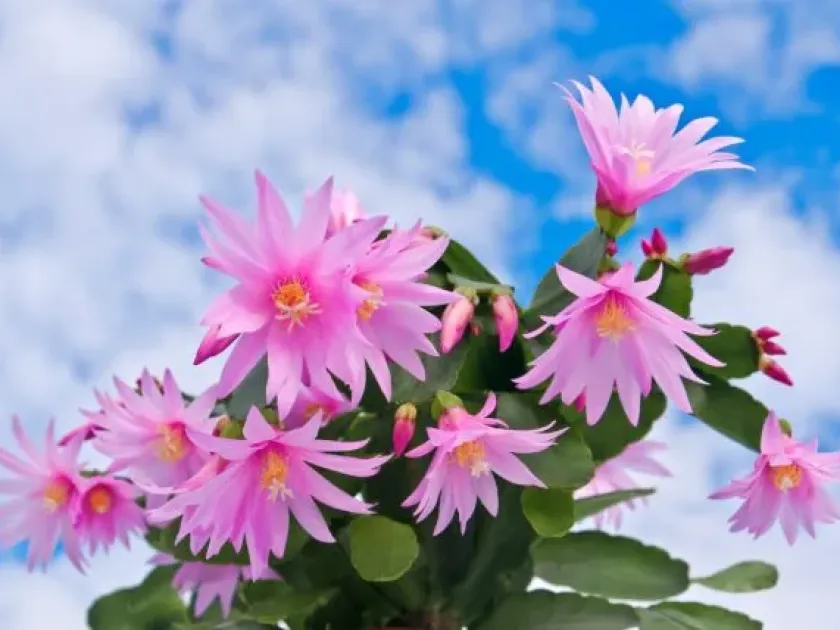
Rhipsalidopsis x graeseri is a hybrid epiphytic cactus belonging to the Cactaceae family, widely recognized for its vibrant spring blooms. Native to the tropical regions of Brazil, these plants naturally grow on tree branches or in rocky crevices, relying on high humidity and filtered light.
Botanically, this species is defined by its flat, multi-segmented stems that grow in a trailing or pendant habit. Unlike desert cacti, this plant requires consistent moisture and protection from extreme solar radiation, which can easily scorch its delicate succulent segments.
Regarding climate, the plant thrives in temperatures between 18°C and 24°C. During the winter, a cooling period with temperatures around 12-15°C is essential for the initiation of flower buds, which is a critical stage in the agricultural production cycle of this species.
Soil requirements dictate the use of a well-draining, slightly acidic medium. A mixture of peat, perlite, and coarse sand is highly recommended to provide adequate aeration to the root system. Proper drainage is the most vital aspect to prevent the accumulation of water, which leads to root death.
Agricultural management requires careful attention to irrigation frequency. Water should only be applied when the substrate feels dry to the touch. Fertilizer application should be limited to the growing season using low-nitrogen formulas to promote structural integrity and flower development.
Main diseases and pests
The primary threats to Rhipsalidopsis x graeseri include root rot and stem decay caused by overwatering or the use of poorly draining substrate. These conditions facilitate the growth of pathogens like Phytophthora, which can destroy the root system in a short period.
Pests such as mealybugs and spider mites are prevalent in indoor and greenhouse environments. Mealybugs hide in the joints of the segments, extracting sap and leaving behind unsightly white cottony masses that reduce the market value of the crop.
Spider mites thrive in low-humidity environments and can cause significant damage to the epidermis of the segments, leading to chlorosis and premature leaf drop. Regular misting and proper ventilation are effective preventative measures against mite infestations.
Integrated pest management (IPM) is recommended for commercial cultivation, involving the use of beneficial insects or selective bio-pesticides. Keeping the plants healthy through consistent light and nutrition is the first line of defense against both biological and environmental stressors.
- Root rot
- Mealybugs
- Spider mites
- Stem blight
- Chlorosis