
Rhipsalidopsis gaertneri
Rhipsalidopsis gaertneri (Regel) Moran
Description
Growing requirements
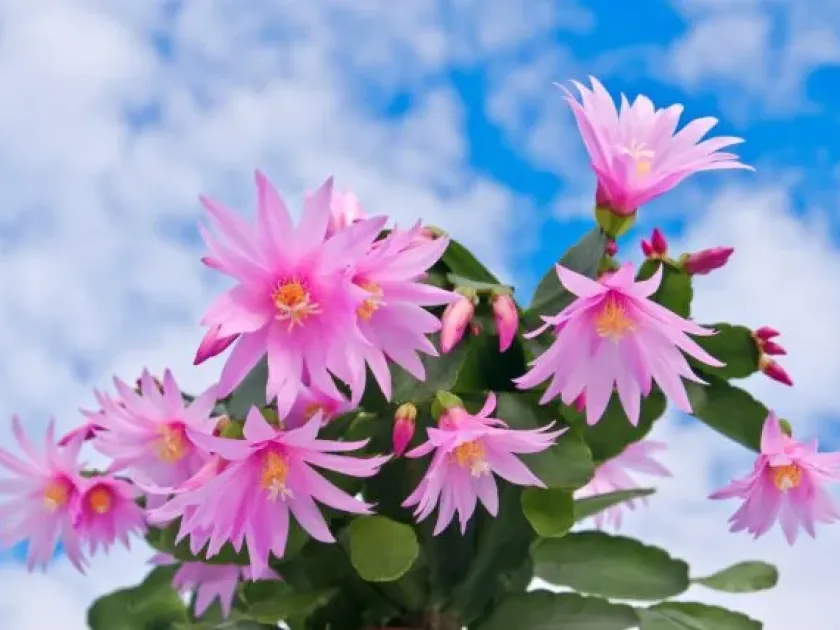
Rhipsalidopsis gaertneri is a perennial epiphytic plant belonging to the Cactaceae family. Often referred to as the Easter cactus, this species originates from the tropical rainforests of Brazil, where it thrives in humid and shaded conditions.
Botanically, the plant consists of flattened, segmented stems with slightly serrated edges. It is a highly specialized species that has evolved to grow in the canopy of trees or in rocky crevices, depending on its specific environment and moisture availability.
Optimal climatic conditions for this crop involve bright but indirect light. Direct exposure to intense sunlight can cause severe physiological damage to the segments, leading to yellowing or tissue necrosis.
Regarding soil requirements, a well-draining, porous substrate is essential. Growers typically utilize a mixture of peat moss, pine bark, and perlite to ensure the roots receive adequate oxygenation and to prevent the substrate from staying overly wet.
Agricultural management requires a cool resting period during the winter months, typically around 12–15 degrees Celsius. This temperature drop is critical for triggering the formation of floral buds, which eventually produce the plant's characteristic vibrant blooms.
Main diseases and pests
The primary threats to Rhipsalidopsis gaertneri involve water-related issues, specifically root rot caused by poor drainage. Excessively wet soil prevents root respiration and quickly facilitates the onset of fungal infections.
Common pests include mealybugs and spider mites, which can proliferate rapidly in indoor environments with low humidity. These pests attach themselves to the stem joints, causing significant structural damage to the plant.
Effective pest control strategies include monitoring for early signs of infestation and using appropriate systemic insecticides. Maintaining proper humidity levels through misting helps deter spider mites from colonizing the plant.
Fusarium wilt is a common fungal disease that can destroy a crop if left unchecked. It is typically managed by removing severely infected portions and ensuring the growing medium remains clean and properly aerated.
Overall crop health depends on strict adherence to a balanced fertilization schedule, avoiding high-nitrogen formulas. This approach ensures robust vegetative growth while minimizing the plant's vulnerability to pathogens during the blooming season.