

Crop
Tall oat-grass
Arrhenatherum elatius (L.) P. Beauv. ex J. Presl & C. Pres
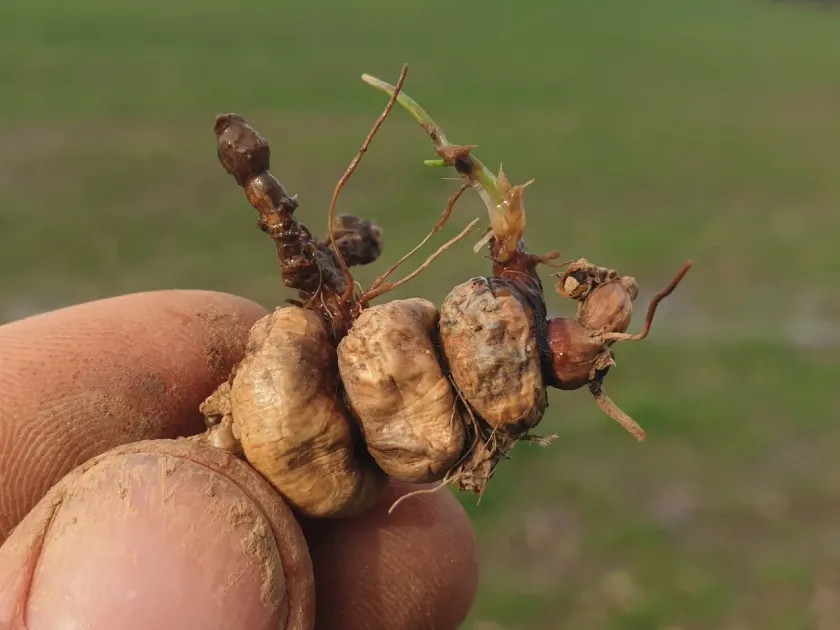
Description
Sowing dates
Tall oat-grass is a productive perennial bunchgrass belonging to the Poaceae family. Sowing is typically performed in early spring or late summer to allow seedlings to establish robust roots before weather extremes occur.
Seeds should be planted at a shallow depth of 1 to 2 centimeters. Ensuring proper soil-to-seed contact via light rolling is crucial for achieving uniform germination across the field.
The plant demonstrates vigorous early-stage growth, which helps it establish quickly in new stands. It is often used in mixtures to provide early seasonal productivity in pasture and meadow systems.
Field preparation requires a clean seedbed free from aggressive perennial weeds. When mixed with other grasses or legumes, seeding rates must be adjusted to maintain a balanced stand composition.
Selecting high-quality, certified seeds is recommended to ensure strong stand emergence. Proper timing of the sowing process remains the most critical factor for successful establishment.
Growing requirements
This grass thrives in fertile, well-drained loam or sandy-loam soils. It is highly adaptable to various soil types but struggles in waterlogged or swampy conditions where aeration is poor.
While tall oat-grass possesses reasonable drought tolerance due to its deep root system, it yields best with consistent moisture throughout the growing season. Nitrogen fertilization significantly boosts its forage output.
The species prefers sunny, open environments and does not perform well in shaded areas. It exhibits good cold hardiness, making it suitable for temperate regions across Europe and beyond.
Soil pH should ideally be neutral or slightly acidic. On highly acidic soils, liming is essential to improve nutrient availability and ensure healthy plant development.
Effective drainage is perhaps the most critical physical requirement for this grass. It will not persist in fields prone to long-term flooding or surface water stagnation.
Yield
Tall oat-grass is recognized for its high biomass production capacity. When managed correctly, it can provide multiple productive cuts per season, significantly contributing to annual forage yield.
The plant regrows quickly after harvesting, especially under favorable moisture and temperature conditions. This trait makes it an excellent choice for intensive meadow management.
Yield stability generally remains high for several years. To maintain peak production, periodic overseeding with clover or other legumes is recommended to provide supplemental nitrogen.
The nutritional value is highest when harvested during the early heading stage. Delaying harvest results in significantly higher fiber content and lower protein availability for livestock.
With proper fertilization and management, farmers can achieve excellent yields of high-quality hay. The grass is highly palatable to cattle and sheep when harvested at the right maturity.
Main diseases and pests
Rust diseases are the most common pathogens affecting tall oat-grass, especially in humid conditions. Maintaining an open, well-ventilated stand helps minimize the impact of such infections.
Various insect pests, including cereal flies, may cause damage to young plants. Regular monitoring of fields during the establishment phase is advisable to prevent significant crop loss.
Wireworms can be a problem when establishing a stand on land previously used for permanent pasture. Treating seeds with authorized protective agents can mitigate these soil-borne threats.
Powdery mildew may occur in dense, unmanaged stands with poor air circulation. Proper management techniques, including timely mowing and thinning, serve as effective preventative measures.
Overall, the species is relatively robust, but maintaining a healthy crop rotation and removing potential pathogen host weeds around the field borders are essential management practices.
Harvesting
The primary harvest window for high-quality hay is the early heading phase. Harvesting at this stage maximizes the balance between dry matter yield and digestible nutritional content.
After cutting, the grass dries relatively quickly, facilitating efficient haymaking. This fast drying time reduces the risk of crop degradation due to unexpected rainfall.
When used for pasture, rotational grazing is recommended to allow for adequate plant recovery. Avoid overgrazing, as this can weaken the roots and lead to thinning of the stand.
Store hay in a dry, well-ventilated area to prevent mold growth and maintain fodder quality throughout the winter months. Properly dried hay preserves the grass's excellent nutritional value.
End-of-season management should focus on allowing the grass to accumulate energy reserves in the crown before dormancy. Avoiding late-autumn grazing ensures better survival through the winter.
Content graph
Connections · Tall oat-grass
Most often together:
Marketplace